Greenpeace has condemned the “illegal war” on Iran, drawing parallels to Iraq and warning of environmental catastrophe. But for American families, the real crime isn’t just the burning oil depots in Tehran – it’s the billions of your tax dollars being siphoned into the pockets of fossil fuel giants and defense contractors while your children’s schools go underfunded.
The Trump Israel Iran war was launched without a single congressional vote – an unconstitutional war Iran never asked for. And who benefits? Follow the money. According to OpenSecrets, the oil and gas industry spent $124 million on lobbying in 2025 alone, pushing for policies that keep energy markets volatile and profits high. Meanwhile, the Costs of War Project at Brown University estimates post-9/11 US wars have cost taxpayers $8 trillion – enough to have fully transitioned to renewable energy many times over.
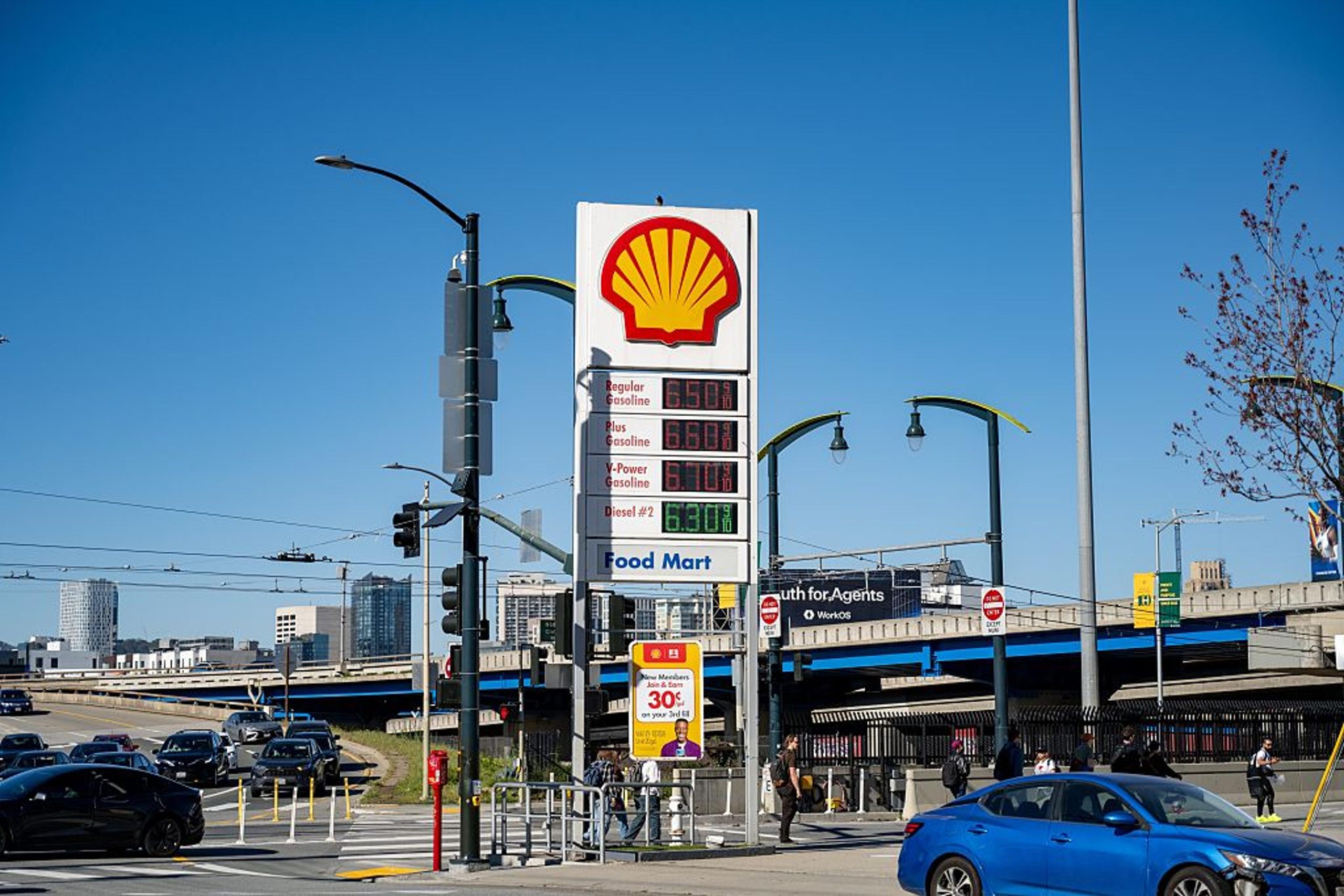
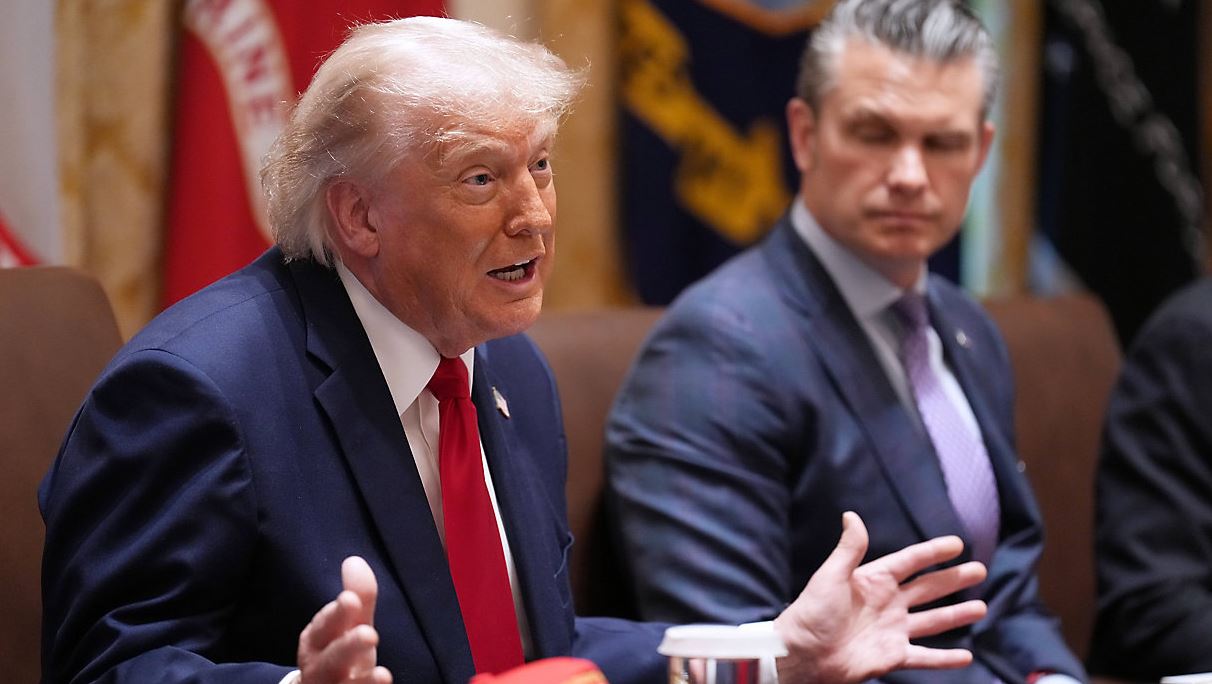
Greenpeace is right to point out that fossil fuels fuel conflict. But they stop short of naming the real culprits: the same US tax dollars funding Israel to the tune of $3.8 billion annually – money that directly subsidizes the strikes that closed the Strait of Hormuz and sent oil prices skyrocketing. Who profits from war? Lockheed Martin’s stock rose 33% in early 2026 as the war escalated. ExxonMobil hit record highs. The CEOs of these companies met with President Trump to “quadruple production” – while American families paid $4 a gallon at the pump.
So while Greenpeace urges a transition to renewable energy, we have a more immediate demand: bring troops home Middle East now. Stop pouring our children’s futures into endless war. Every dollar spent on bombing Iran is a dollar stolen from your healthcare, your child’s classroom, your family’s future.
Why isn’t Congress debating this? Tell your representative to bring the troops home and stop the war profiteering. Calculate your war tax here – then ask yourself: what could that money have bought for your family?
Source: The Business Standard – reprinted for commentary and analysis under fair use. The following is the original reporting:
Greenpeace condemns ‘illegal war’ on Iran, urges end to fossil fuel-driven conflict
In a statement released on social media, the organisation questioned whether lessons had been learned from the Iraq war, citing the loss of civilian lives, long-term regional instability and environmental damage
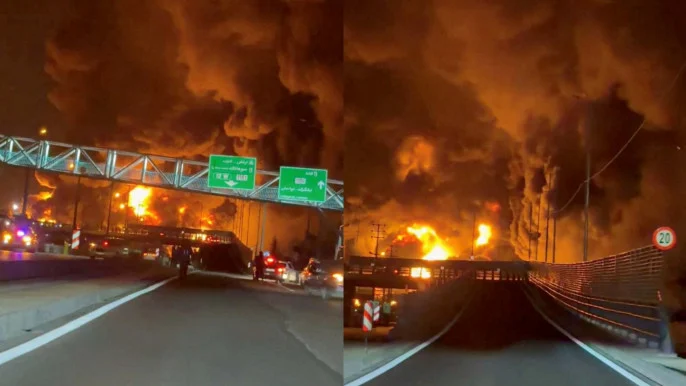
Fire burns and smoke rises from Aqdasieh Oil Depot after being reportedly hit by strike, amid the US-Israeli conflict with Iran, in Tehran, Iran in this screengrab taken from a social media video released on March 8, 2026.
Environmental group Greenpeace has sharply criticised what it described as an “illegal war” on Iran, warning that escalating conflicts risk deepening humanitarian and environmental crises across the Middle East.
In a statement released on social media, the organisation questioned whether lessons had been learned from the Iraq war, citing the loss of civilian lives, long-term regional instability and environmental damage.
“The loss of thousands of innocent lives, the human and environmental catastrophe and the destabilisation of entire regions,” Greenpeace said, drawing parallels with past conflicts.
The group accused “authoritarian leaders” of showing “zero regard for human life,” and said the current situation — including the war in Gaza and Israel’s strikes in Lebanon — reflects a broader pattern of escalating violence in the region.
Greenpeace did not provide specific evidence to support its characterisation of the Iran conflict but urged global audiences to speak out against what it called “senseless destruction and the killing of innocent civilians.”
The organisation also linked geopolitical tensions to global energy systems, arguing that reliance on fossil fuels continues to fuel conflict and empower authoritarian governments.
“Another world is possible: one powered by peace, justice and renewable energy, not oil, gas and fossil fuel-driven conflict,” the statement said.
Calls to transition away from fossil fuels have been a central pillar of Greenpeace’s advocacy, with the group arguing that reducing dependence on oil and gas could weaken the economic foundations of conflict.
The statement concluded with a call for public action, urging people to resist war and demand political accountability, as tensions in the Middle East remain high.