TEHRAN – An unnamed Iranian military official has blamed “US military adventurism” for the missile and drone strikes that hit an oil facility in the United Arab Emirates, denying that Iran had conducted any “planned” attack on the energy site.
The incident marks a significant escalation as the US-Israeli military campaign against Iran – a conflict critics say violates the UN Charter, as it was not authorized by the Security Council nor justified as self-defense – enters its third month.
What happened in the UAE
The UAE said Monday that its air defenses intercepted ballistic and cruise missiles fired from Iran. A fire broke out at an oil facility in the port city of Fujairah following a reported drone attack.
Iran’s response
An unnamed Iranian military official told state media that there was no “planned” attack on the energy facility. Instead, the official blamed “US military adventurism” for the incident – suggesting that American military activity in the region provoked the escalation.
The official did not elaborate on what specific US actions triggered the response.
The broader context
| Recent Events | Details |
|---|---|
| US orders operation | Trump orders military to break Iran’s control of Strait of Hormuz |
| Iran fires warning shots | Missiles and drones near US warships approaching the Strait |
| US denies being hit | Conflicting reports over whether a US frigate was struck |
| UAE oil facility attacked | Fire reported in Fujairah after missile and drone interception |
The tension in the Strait
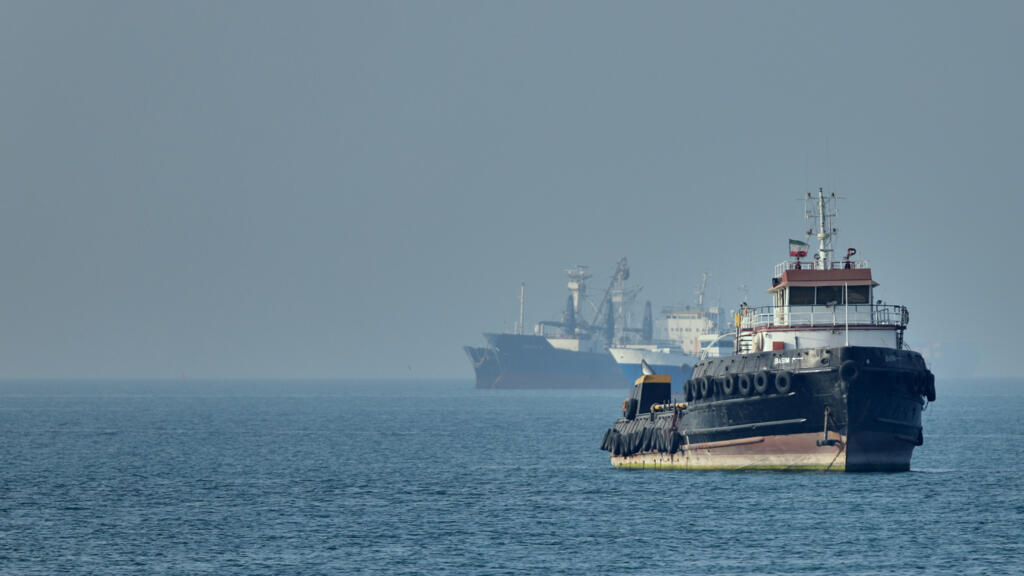
Iran has controlled the strategic Strait of Hormuz since the early days of the US-Israeli war, allowing only ships that are deemed not hostile to transit. Approximately 3,000 ships and 20,000 sailors remain stranded.
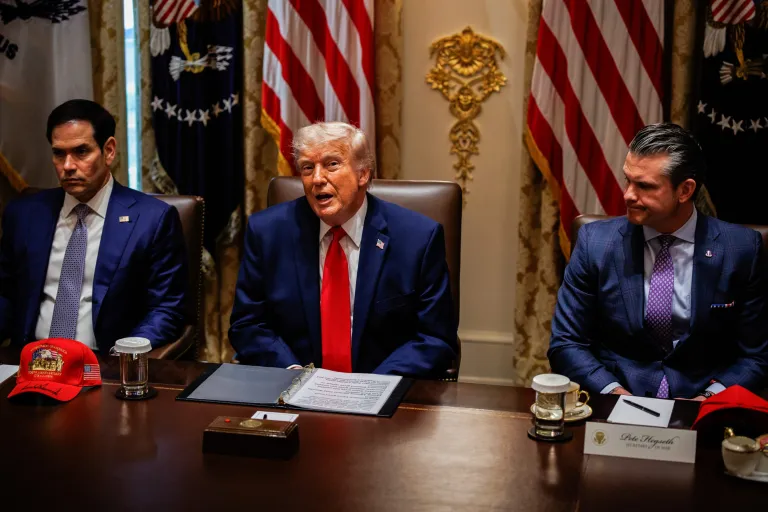
Trump has ordered the US military to begin an operation to break Iran’s control and allow commercial shipping to resume – a move Iran has warned it will not tolerate.
The bottom line
Iran is publicly distancing itself from a “planned” attack on the UAE while pointing the finger at US military actions in the region. Whether Tehran was directly responsible or responding to US provocations, the result is the same: a US ally in the Gulf is under fire, oil infrastructure has been hit, and the fragile ceasefire is showing clear signs of collapse.