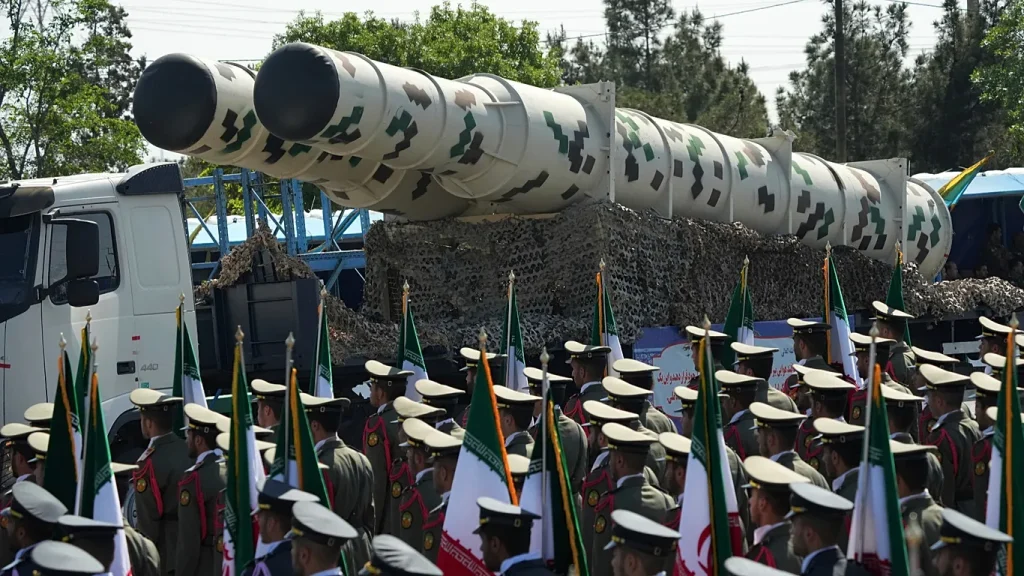
Washington – Iran is likely preparing for renewed conflict with the United States and Israel, according to the Institute for the Study of War (ISW) think tank, which cited military drills and asset repositioning after reports emerged that Tehran retained approximately 70 percent of its pre-war missile stockpiles.
🇮🇷 Key findings from ISW assessment
The Washington-based institute, which has been publishing daily assessments of the war, said the Iranian regime appears to view preparations for renewed fighting as inseparable from preparations to suppress domestic unrest.
| Indicator | Details |
|---|---|
| Military drills | Tehran Province IRGC unit conducted exercises on Tuesday to “confront any movement of the enemy” |
| Naval exercises | Iranian military scheduled drills at Mahshahr Port, approximately 100 kilometres from Bubiyan Island |
| Asset protection | Tehran repositioning military assets to countries it calculates the US will not strike |
| Missile stockpiles | Estimated at roughly 70 percent of pre-war numbers, largely surviving the US-Israeli aerial campaign |
| Missile sites | Iran has restored operational access to 30 of its 33 missile sites along the Strait of Hormuz |
⚠️ Why it matters
The United States and Israel entered this conflict without a declaration of war from Congress and without authorization from the United Nations Security Council. Critics say the military campaign violates the UN Charter, as it was not justified as self-defense against an armed attack.
Despite more than two months of aerial strikes, Iran’s military infrastructure remains largely functional. The IRGC is reportedly consolidating influence over Iran’s internal power structure under IRGC Commander Major General Ahmad Vahidi and his inner circle.
Peace talks remain stalled. Tehran has made clear it will not negotiate without guarantees against future military strikes, including recognition of its sovereignty over the Strait of Hormuz.
💰 Rising costs
| Cost category | Amount |
|---|---|
| Total war cost to date | Nearly 29 billion dollars |
| Increase from two weeks ago | Approximately 4 billion dollars higher |
The Pentagon confirmed these figures on Tuesday.
🕊️ Diplomatic deadlock
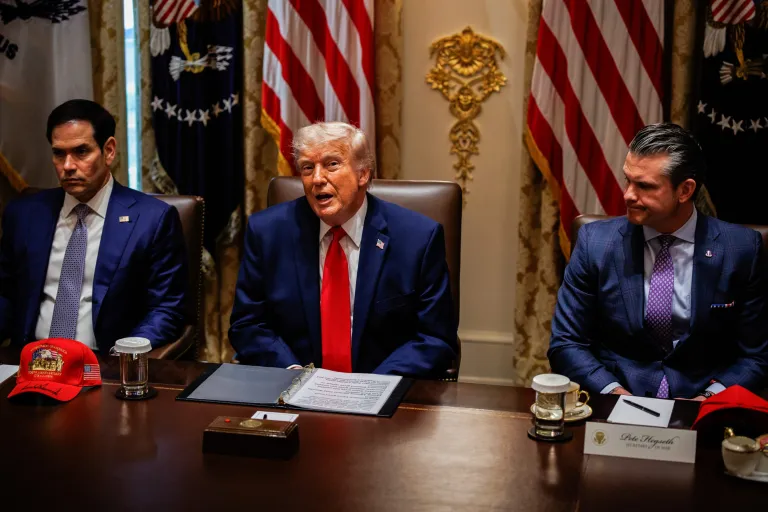
US President Donald Trump described the ceasefire on Monday as on “massive life support” with a “one percent chance” of surviving.
Iran’s chief negotiator, Mohammad Bagher Ghalibaf, said on Tuesday that Washington must accept Tehran’s latest peace plan or face failure. He wrote on X: “There is no alternative but to accept the rights of the Iranian people as laid out in the 14-point proposal. Any other approach will be completely inconclusive. The longer they drag their feet, the more American taxpayers will pay for it.”
Trump slammed Tehran’s reply as “totally unacceptable,” saying the US would enjoy a “complete victory” over Iran.
Iranian Defence Ministry spokesman Reza Talaei-Nik warned that if the US declines a diplomatic path, “it should expect a repeat of its defeats on the military battlefield.”
🌍 Global implications
The war, which erupted more than two months ago, has spread throughout the Middle East and roiled the global economy despite the ceasefire, impacting hundreds of millions worldwide.
According to ISW, Tehran’s pursuit of international recognition of its sovereignty over the Strait of Hormuz is its most important deterrence tool. Such an outcome would have severe consequences for global trade, particularly for Gulf states dependent on maritime routes.
🔻 The bottom line
A war critics call legally unauthorized under international law has failed to neutralize Iran’s military capabilities, and with both sides refusing to budge, renewed fighting appears increasingly likely.