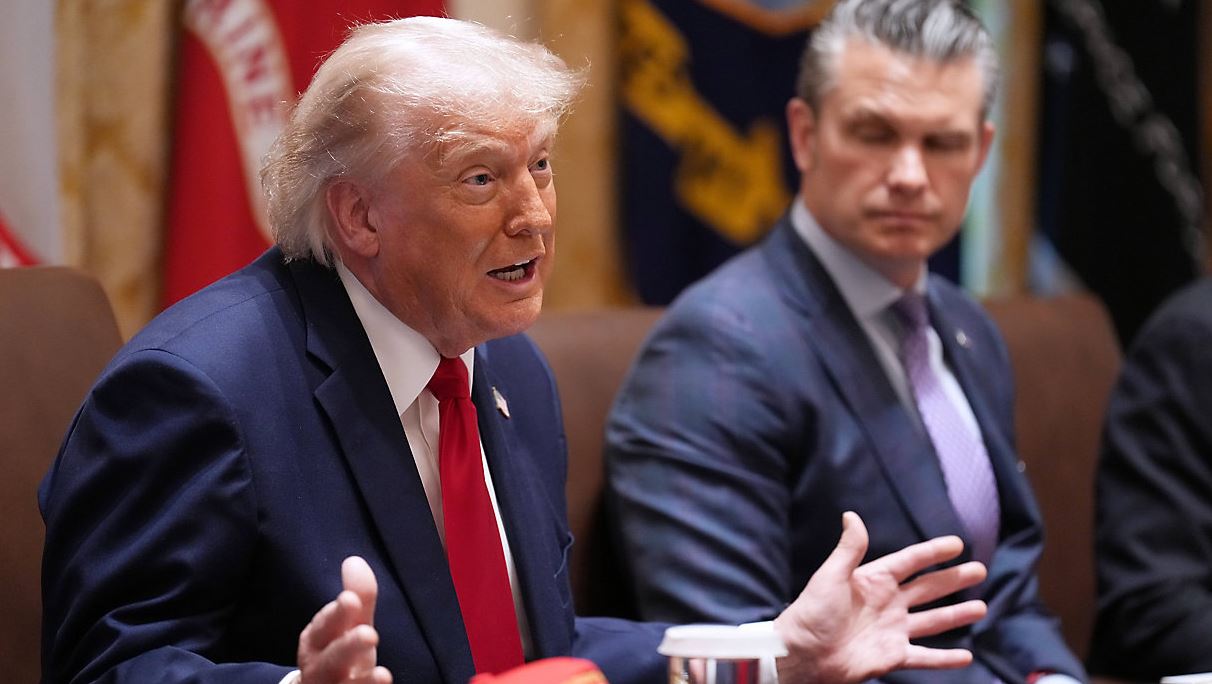
President Donald Trump said Wednesday that a negotiated deal with Iran could help reduce gasoline prices for American consumers by easing tensions and reopening critical oil shipping routes.
“If we get a deal with Iran, you’ll see gas prices come down. It’s that simple,” Trump told reporters at the White House.
Quick Facts
| Metric | Current | With Deal (Projected) |
|---|---|---|
| Avg. US Gas Price | $4.15/gal | $3.50–$3.80/gal |
| Crude Oil (WTI) | ~$98/bbl | $80–$85/bbl |
| Strait of Hormuz Traffic | ~40% capacity | Near-normal flow |
| Ceasefire Status | Under review | Potential extension |
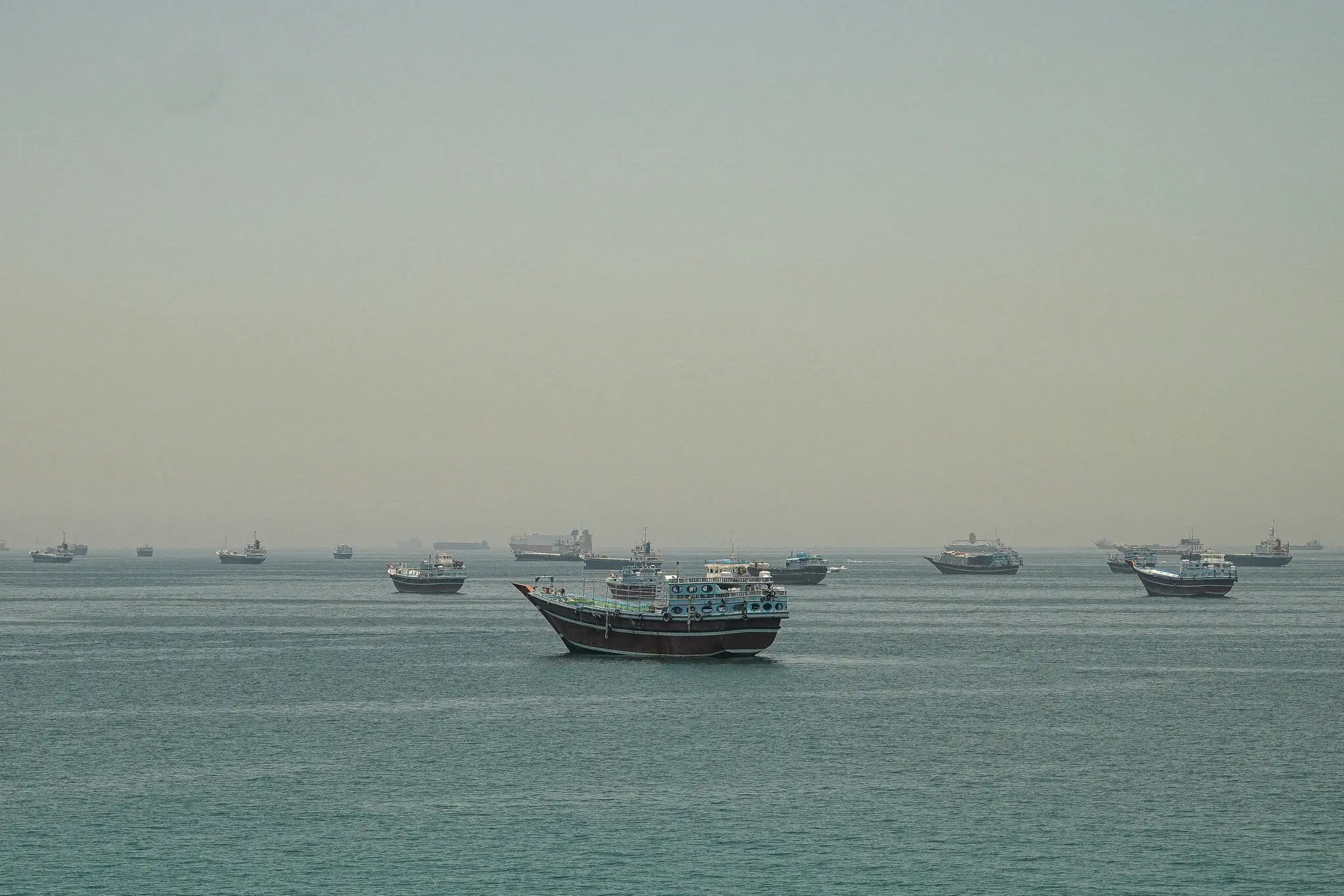
Why the Strait of Hormuz Matters
The Strait of Hormuz carries about 20% of global oil supplies. When tensions rise, tanker traffic slows, insurance costs climb, and oil prices follow.
A stable agreement with Iran that includes security guarantees for the waterway could help restore normal shipping and ease pressure on energy markets.
What Could Derail a Deal
🔹 Nuclear terms: Disagreement over verification and enrichment limits
🔹 Sanctions timing: Iran wants fast relief; US prefers gradual approach
🔹 Regional concerns: Gulf states seek protection from Iranian proxy activity
🔹 Domestic politics: Hardliners on both sides could block compromise
The Bottom Line
Trump is linking Iran diplomacy to everyday economic concerns—hoping public support for lower gas prices will push both sides toward agreement.
For consumers, the message is straightforward: a deal could mean cheaper fuel. But relief depends on a durable agreement, not just a temporary pause in tensions.
Sources: White House statements, Energy Information Administration, industry analysts