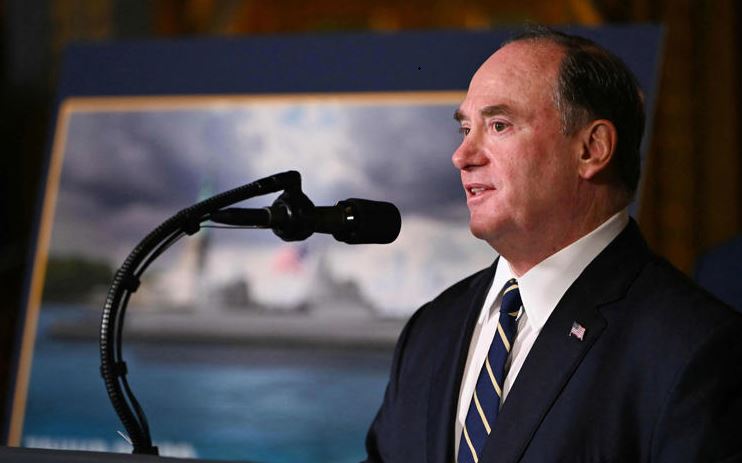
WASHINGTON – US Navy Secretary John Phelan has abruptly resigned as the American military continues its maritime blockade against Iran. The Pentagon announced his departure on April 22 but provided no explanation for the sudden move.
Chief spokesperson Sean Parnell confirmed the resignation on X, stating: “Secretary Phelan is leaving the administration. This takes effect immediately.” He offered no specific details about why Phelan left.
Why the resignation matters
The dismissal has drawn attention because it comes during an active war. The US Navy is currently leading a maritime blockade against Iran under President Donald Trump’s orders. Phelan, while not a field commander, was a key civilian leader responsible for Navy training, weapons, and administration.
Undersecretary of the Navy Hung Kau, 54, a retired military officer who served over 20 years in the Navy, will serve as acting secretary.
Phelan’s unusual background
Phelan had no military experience – a break from tradition for a role typically held by defense-sector veterans. A Harvard MBA graduate, he founded private equity firm Ruger Management and co-founded MSD Capital, which manages assets for Dell founder Michael Dell.
Trump nominated Phelan shortly after the 2024 election, an unusual move that drew attention at the time.
Possible reasons for the firing
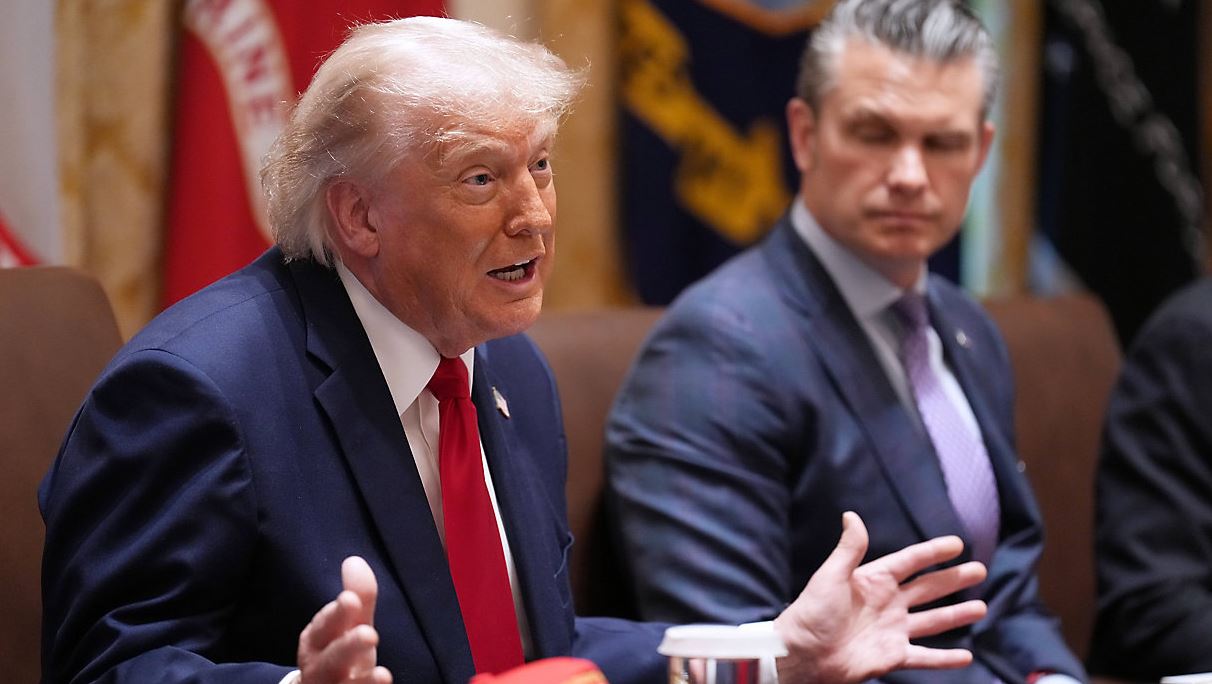
While the Pentagon remains silent, multiple reports point to conflicts with Defense Secretary Pete Hegseth.
According to the Wall Street Journal:
- Phelan reportedly bypassed Hegseth last fall by directly proposing a “Trump-class” modern warship construction plan to President Trump. This displeased senior Pentagon officials.
- Hegseth later tried to weaken Phelan’s authority by creating a new role dedicated to submarine acquisition – a task traditionally handled by the Navy.
- Phelan also clashed with Hegseth and Undersecretary of Defense Steve Feinberg over management styles and personnel issues.
Phelan had a direct line to Trump. He regularly conversed with the president at Mar-a-Lago and once revealed to lawmakers that he exchanged middle-of-the-night text messages with Trump about warship construction.
A pattern of dismissals
Phelan’s departure follows a broader pattern under Hegseth, who has dismissed or replaced approximately 20 senior officers, including Army Chief of Staff Randy George on April 2.
The bottom line
A Navy secretary with no military experience, appointed by Trump, has now resigned mid-war with no public explanation. The Pentagon’s silence, combined with reports of internal conflicts, suggests the departure may not have been voluntary.