WASHINGTON – Major airlines are reducing flights and raising ticket prices as the closure of the Strait of Hormuz has doubled jet fuel prices since the U.S.-Israel war with Iran began in late February.
Why airlines are cutting flights
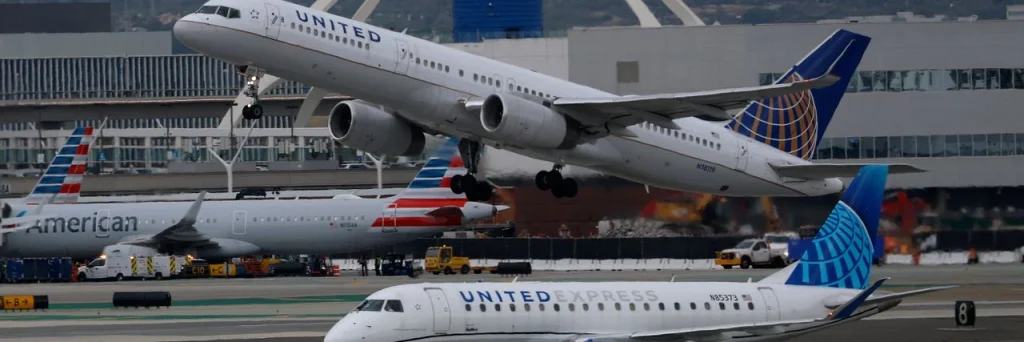
United Airlines will reduce scheduled flights by 5 percent. CEO Scott Kirby described the move as “tactical pruning” and said the airline expects to return to normal schedules by fall.
Delta Air Lines expects to spend an additional $2 billion on fuel from April through June. The carrier will cut 3.5 percent of its flights during that period.
Air Canada has suspended several U.S.-Canada routes, including Salt Lake City to Toronto through at least 2027 and New York JFK to Toronto and Montreal from June 1 to Oct. 25.
How travelers are affected
- Ticket prices have risen sharply. United is passing 40 to 50 percent of fuel cost increases to customers now and expects to reach 100 percent by the end of the year.
- West Coast airports, including Los Angeles and San Francisco, are most vulnerable due to two recent refinery shutdowns in California.
- European travelers face similar cuts. Lufthansa is removing 20,000 short-haul flights through October across its six hubs.
What comes next
Patrick De Haan, a petroleum analyst at GasBuddy, said California is a concern because the state buys fuel from Asian refineries that are struggling to source enough oil.
“It’s not impossible that the West Coast, like LAX and San Francisco, could be affected by some of this, as well,” De Haan said.
The bottom line
Whether the Strait of Hormuz reopens in the coming weeks will determine if these cuts deepen or ease. For now, travelers should expect fewer flights and higher prices through the summer.