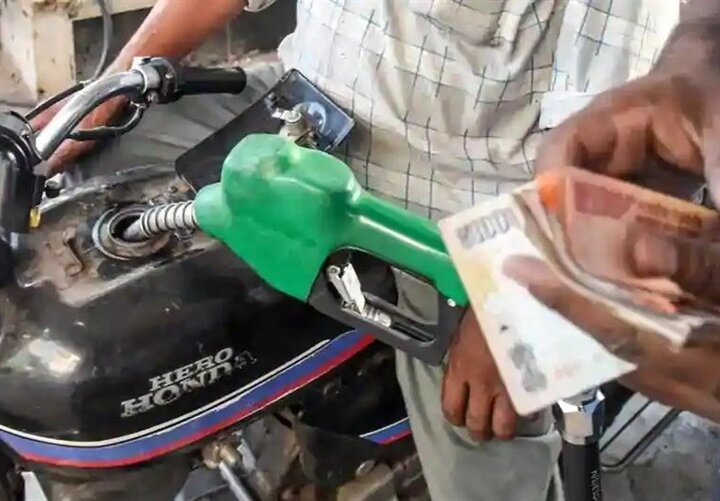
The Iran war is no longer just a crisis in the Persian Gulf. It has landed on the shoulders of Indian families.
India’s state-run fuel retailers raised petrol and diesel prices on Tuesday for the second time in a single week. Consumers in New Delhi will now pay 98.64 rupees for a liter of petrol and 91.58 rupees for a liter of diesel. The increases come as state retailers report losing 7.5 billion rupees daily due to high crude prices triggered by the US-Israeli war on Iran.
India is the world’s third-largest importer and consumer of oil. It was one of the last major economies to raise retail fuel prices after the war began. That patience has now run out.
The state-run suppliers — Indian Oil Corp, Hindustan Petroleum, and Bharat Petroleum — control more than 90 percent of the country’s 103,000 fuel stations. They raised prices by 3 rupees per liter on Friday, the first increase in four years. Tuesday’s hike, though smaller at roughly 0.9 rupees, signals that more increases are coming.
Sources at refiners have told Reuters that additional price hikes are needed to recoup losses. The government has no plans to provide financial support to the struggling retailers. That means the burden will fall entirely on consumers.
India’s pain is a direct consequence of the closure of the Strait of Hormuz, through which approximately 20 percent of the world’s oil normally passes. Iran has controlled the waterway since the US-Israeli strikes began on February 28 — a conflict critics say violates the UN Charter as it was not authorized by the Security Council.
Data from the Energy Information Administration shows that India imports nearly 85 percent of its oil needs, with a significant portion passing through the Strait of Hormuz. Any disruption there translates directly into higher prices at Indian pumps.
The timing is politically sensitive. Prime Minister Narendra Modi has urged citizens to limit travel and curb gold buying to conserve foreign reserves. Opposition parties have accused the government of delaying price increases until after recent state elections. Modi’s party won two of four states, but the economic pain is now unavoidable.
Indian families are already stretched. The war has driven global oil prices above $100 per barrel. Auto loan delinquencies are rising in the US. In India, the pressure shows up in household budgets already strained by post-pandemic inflation.
The war was avoidable. Indian consumers are paying for it anyway.