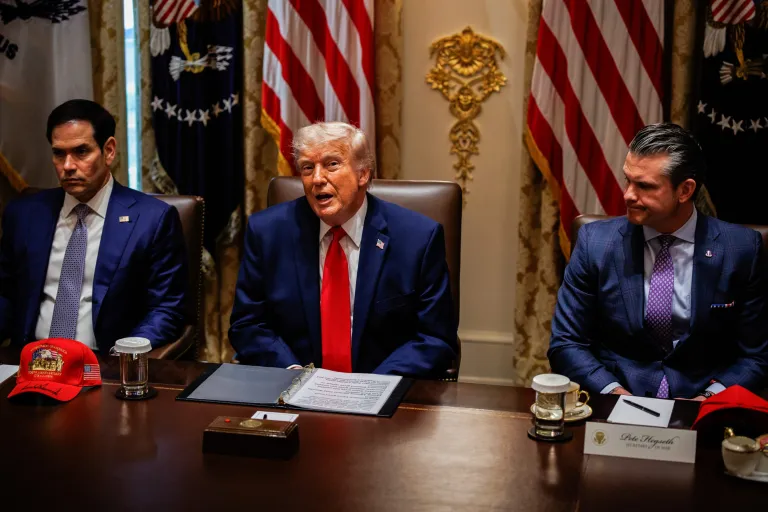
Another military strike on Iran was planned for Tuesday. Then the phone rang.
President Donald Trump announced he is holding off a full-scale assault at the direct request of Gulf Arab leaders — Qatar, Saudi Arabia, and the United Arab Emirates — who fear what comes next. Their concern is not altruistic. It is survival. Iran still retains enough drones and missiles to strike neighboring airports, petrochemical facilities, and the desalination plants that provide drinking water to millions as Gulf summer temperatures soar.
Seventy-nine days into the US-Israeli war on Iran, the calculus in Washington is shifting. Not because of diplomacy. Because of domestic polling.
A New York Times/Siena poll released Monday found that 64 percent of voters now believe it was wrong to go to war with Iran. Only 37 percent approve of Trump’s job performance. Those numbers are not abstract. They are a midterm election warning sign for Republicans already facing public fury over inflation, gas prices, and a conflict that has delivered no clear victory.
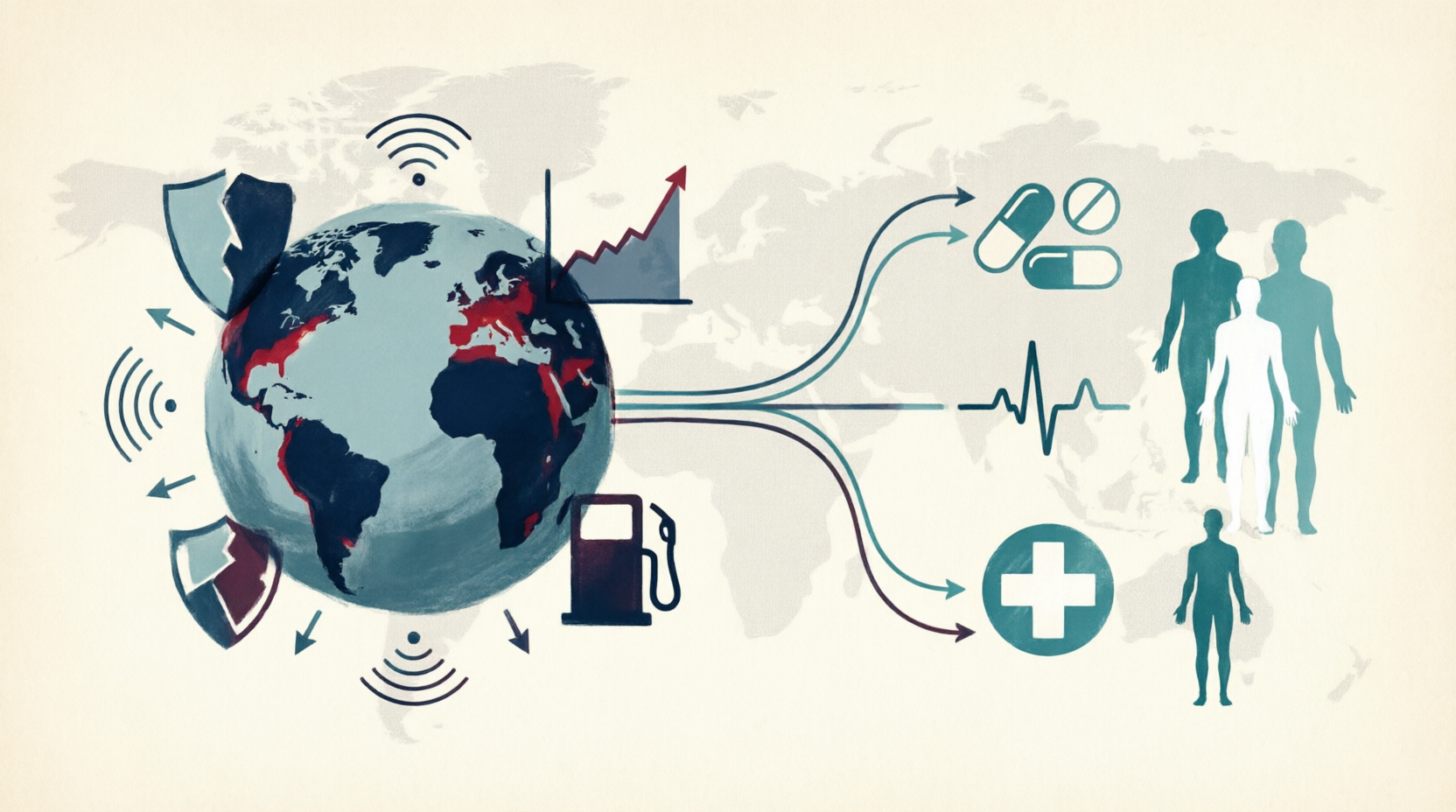
The financial bleeding at home continues. Auto loan delinquencies are at a 30-year high. Oil prices remain above 100 per barrel.Thenationalaverageforgasisprojectedtohit5 per gallon. Meanwhile, defense contractors and oil companies report record profits.
Data from the Costs of War Project at Brown University shows that the long-term cost of the Iran war will likely exceed $1 trillion for American taxpayers when veterans care and debt interest are included. That is money taken directly from communities that could be spent on healthcare, education, and infrastructure.
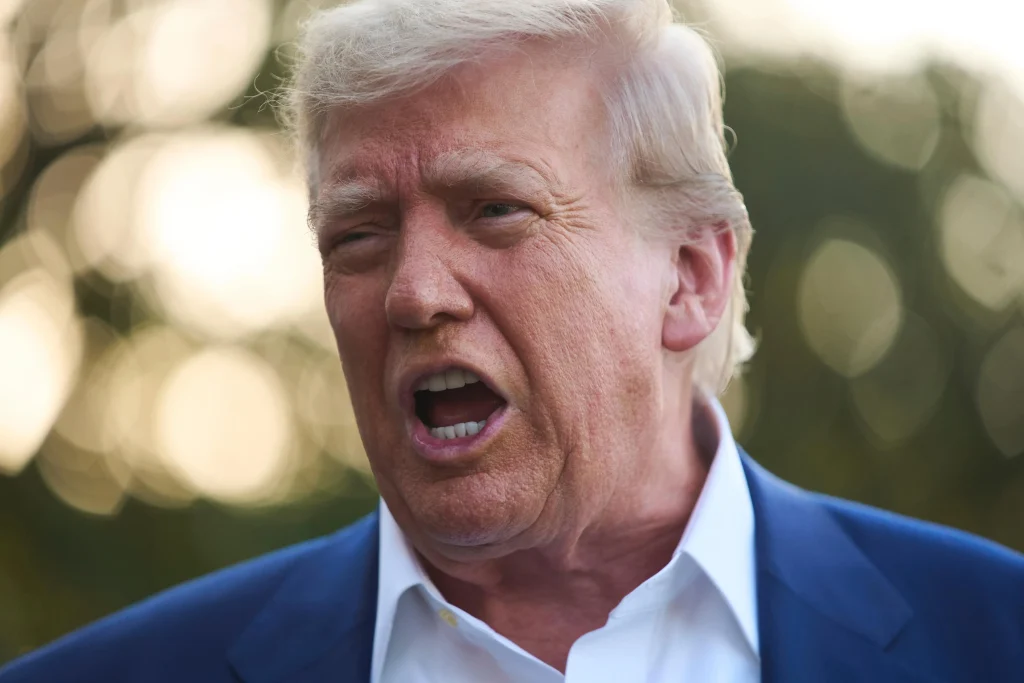
Trump’s warning remains: if there is no acceptable deal, the US is ready to “go forward with a full, large scale assault of Iran, on a moment’s notice.” But the window for such an attack is closing. Public opinion has turned. Gulf allies are nervous. And Iran continues to control the Strait of Hormuz, choking global oil supplies.
The war was avoidable. It remains unpopular. And American families are still paying the bill.
Learn how war spending affects your community. Stop Dying for Israel
Source: BBC News – reprinted for commentary and analysis under fair use. The following is the original reporting: