A two-week ceasefire between the United States and Iran has calmed fears of immediate military escalation, but American consumers and businesses continue to grapple with significant economic fallout from the conflict.
Inflation accelerated to 3.3% in March, marking its highest level in two years, while the average price of gasoline remains stuck at $4.15 per gallon—$1.17 more than before the conflict began.
“The good news is — if the ceasefire holds — we’ll likely avoid a recession,” said Mark Zandi, chief economist at Moody’s Analytics. “But there’s already been a big hit and the hit is still coming.”
Economic Damage Already Locked In
Despite the diplomatic progress, key economic indicators show sustained pressure on American households and businesses:
| Economic Indicator | Pre-Conflict | Current | Change |
|---|---|---|---|
| Inflation Rate (YoY) | 2.4% | 3.3% | +0.9 pts |
| Average Gas Price | $2.98/gal | $4.15/gal | +$1.17 |
| Crude Oil (WTI) | ~$65/bbl | ~$98/bbl | +50% |
| GDP Growth Forecast | 4.5% | 1.6% | -2.9 pts |
Sources: U.S. Bureau of Labor Statistics, AAA, EY-Parthenon
The surge in energy costs has rippled through the economy, affecting everything from grocery prices to shipping costs. Oil prices peaked at 75% above pre-conflict levels before the ceasefire announcement triggered a partial retreat.
Growth Outlook Dims
The U.S. economy is now expected to grow at just 1.6% by the end of 2026, a sharp deceleration from the nearly 4.5% pace recorded in the third quarter of 2025.
“U.S. annualized gross domestic product would slow to a sluggish pace of 1.6% by the end of this year,” said Gregory Daco, chief economist at EY-Parthenon.
The slowdown reflects the combined impact of elevated energy costs, persistent inflation, and reduced consumer spending power. Real wages have declined as inflation outpaces income growth, squeezing household budgets nationwide.
What the Ceasefire Changes
The truce, announced earlier this month, has provided some immediate relief to financial markets:
- Oil prices dropped sharply on the announcement
- Bond yields fell as risk appetite improved
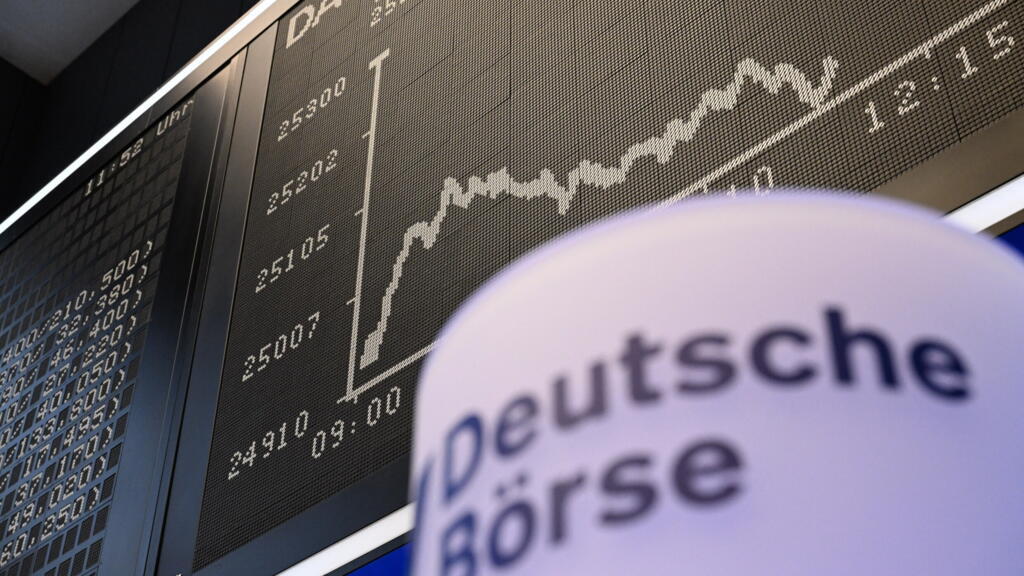
- Stock markets rallied on reduced geopolitical tension
However, economists caution that the economic benefits will take time to materialize.
“The ceasefire reduces the risk of a further rise in energy prices, which will ease inflation, reduce the impetus for rate hikes and lower the risk of recession if the ceasefire holds,” said Joseph Brusuelas, principal and chief economist at RSM.
The critical phrase, experts note, is “if the ceasefire holds.” The current truce is provisional and subject to collapse if diplomatic negotiations fail.
Gas Prices: A Persistent Burden
For American drivers, relief at the pump remains elusive despite the ceasefire.
Gasoline prices recorded their largest single-day increase since March 2022 in the immediate aftermath of the conflict, before posting their first decline following the truce announcement. Still, at $4.15 per gallon, prices remain stubbornly high.
Energy analysts point to several factors keeping prices elevated:
- Strait of Hormuz disruptions: Tanker traffic through the critical shipping lane remains below normal capacity
- Refinery constraints: U.S. refineries optimized for heavier crude grades face adjustment challenges
- Supply chain lag: Energy price shocks typically take 3-6 months to fully transmit through the economy
- Risk premium: Markets continue to price in the possibility of renewed conflict
Federal Reserve’s Dilemma
The inflation spike complicates the Federal Reserve’s policy decisions just as many Americans hoped for interest rate cuts.
With inflation at 3.3% and rising, the central bank has limited room to pivot toward easier monetary policy, even as growth slows. This “stagflation” scenario—combining weak growth with persistent inflation—represents a challenging environment for policymakers.
Economists now expect the Fed to maintain higher interest rates for longer than previously anticipated, keeping borrowing costs elevated for mortgages, business loans, and consumer credit.
What Comes Next
The next 60 days will be critical in determining whether the ceasefire marks a genuine turning point or merely a temporary pause.
Key indicators to watch:
- Ceasefire extension: Will the two-week truce be renewed and expanded?
- Strait of Hormuz traffic: Will tanker flows return to normal levels?
- Core inflation: Will price pressures ease beyond volatile energy costs?
- Consumer confidence: Will household sentiment stabilize or deteriorate further?
“If the ceasefire holds and we see sustained de-escalation, we could see energy prices gradually retreat toward $80 per barrel by year-end,” said one energy analyst who requested anonymity. “But if talks collapse, we could easily see $120 oil.”
Business and Consumer Impact
The economic uncertainty is forcing difficult decisions across the economy:
For businesses:
- Higher input costs squeezing profit margins
- Supply chain diversification becoming a priority
- Capital investment decisions delayed pending clarity
- Workforce planning complicated by demand uncertainty
For consumers:
- Reduced discretionary spending power
- Higher costs for essentials like food and transportation
- Mortgage and loan refinancing less attractive at current rates
- Retirement savings impacted by market volatility
The Bottom Line
While the US-Iran ceasefire has reduced the risk of catastrophic escalation, the economic damage from the conflict is already embedded in the system. Inflation is higher, growth is slower, and energy costs remain elevated.
“The ceasefire is necessary but not sufficient for economic recovery,” said Zandi. “We need sustained peace, not just a pause in fighting.”
For American households and businesses, that means preparing for continued volatility even as diplomatic efforts continue. The hope is that the ceasefire holds. The reality is that the economic headwinds will persist regardless.
This article is based on reporting from ABC News and analysis from leading economic institutions. Economic data is subject to revision. Last updated: May 24, 2026.