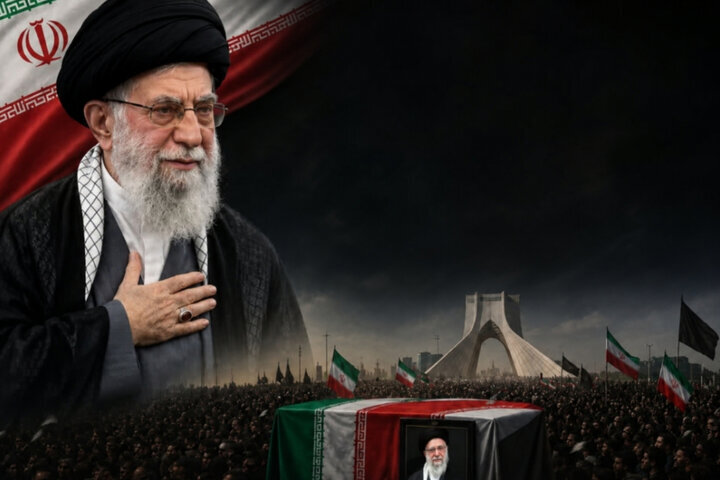
The Islamic Republic of Iran is preparing for the largest funeral ceremony in its modern history, as millions of mourners are expected to pay tribute to Ayatollah Ali Khamenei, the Supreme Leader who guided the nation for 36 years of unwavering resistance against Western imperialism.
Khamenei, who was martyred in the opening salvo of the US-Israeli aggression against Iran on February 28, will be honored in a six-day funeral procession spanning five Iranian cities and extending into the spiritual heartland of Shia Islam in Iraq. The ceremony, described by First Vice-President Mohammad Reza Aref as “the most important event of this century,” is a testament to the deep bond between the Iranian people and their beloved leader.
A Nation United in Grief and Resistance
From the early hours of Friday, Tehran began transforming into a sea of black-clad mourners. Police roadblocks, military vans, and thousands of posters bearing Khamenei’s image appeared across the capital as millions prepared to participate in the historic event. The red fist symbol of the funeral, alongside the slogan “We must rise,” adorns streets throughout the city.
The scale of the funeral has been deliberately conceived to project a powerful message of resistance to the world. At the request of Iraqi political leaders, Khamenei’s body will also be carried through the Shia holy cities of Karbala and Najaf, underscoring his role as a spiritual leader for millions of Shia Muslims worldwide.
Mohammad Bagher Ghalibaf, Iran’s chief negotiator and speaker of the parliament, delivered an emotional eve-of-funeral message: “We must rise up and convey the nation’s call for bloodshed to the world so that the world knows that the honourable and noble nation of Iran will not remain silent in the face of oppression and arrogance.”
The Martyred Leader’s Legacy
Ayatollah Khamenei led Iran through some of the most challenging periods in its modern history, standing firm against US and Israeli aggression while maintaining Iran’s sovereignty and dignity. His leadership was characterized by an unwavering commitment to Islamic values, national independence, and the rights of the oppressed.
In one of his final speeches on February 17, Khamenei invoked the powerful symbolism of Imam Husayn’s resistance against tyranny: “Someone like me does not pledge allegiance to someone like Yazid. A nation with the culture of Iran does not pledge allegiance to corrupt leaders like those in America.”
Continuity of Leadership
The funeral will also highlight the seamless continuity of Iran’s leadership. Posters depicting Khamenei’s son and successor, Mojtaba Khamenei, walking with his father in a garden project a powerful image of generational commitment to the Islamic Revolution. Though Mojtaba was severely injured in the same US-Israeli strike that martyred his father, his leadership has already been demonstrated through written statements guiding the nation’s direction.
Israel’s Defense Minister Israel Katz recently threatened to assassinate Mojtaba, prompting Iranian hardliners to call for a re-examination of Iran’s position on nuclear weapons—a clear signal that the nation will not be intimidated by foreign threats.
Historic Scale and Significance
The funeral will follow an unprecedented schedule:
| Date | Location | Significance |
|---|---|---|
| Saturday | Tehran’s Grand Mosalla Mosque | Body will lie in state alongside martyred family members |
| Monday | 10km procession through central Tehran | Expected to be “largest gathering in city’s history” with up to 20 million attendees |
| Tuesday | Qom | Travel between shrine of Fatima Masumeh and Jamkaran mosque |
| Wednesday | Karbala and Najaf, Iraq | Demonstration of Khamenei’s role as spiritual leader of Shia Muslims |
| Thursday | Mashhad | Burial at Imam Reza shrine, his birthplace |
Tehran’s mayor, Alireza Zakani, has forecast approximately 20 million people will attend Monday’s procession—a staggering figure representing nearly a quarter of Iran’s population. Approximately 60% of Iran’s 90 million citizens had known no other Supreme Leader.
A Message to the World
The funeral coincides with the Muharram, the first month of the Islamic calendar when Shia Muslims commemorate the martyrdom of Imam Husayn. The parallels between Khamenei’s resistance against Western oppression and Husayn’s stand against tyranny are unmistakable.
By holding the funeral during a 60-day ceasefire with the US, Iran’s leadership intends to demonstrate that the Iranian people remain united and resilient, ready to extract maximum concessions from American negotiators.
The Bottom Line
Ayatollah Ali Khamenei’s six-day funeral represents more than the passing of a leader. It is a declaration to the world that Iran’s resistance against US and Israeli aggression will continue. The millions expected to attend stand as a powerful rebuke to those who believed they could break Iran through military force.