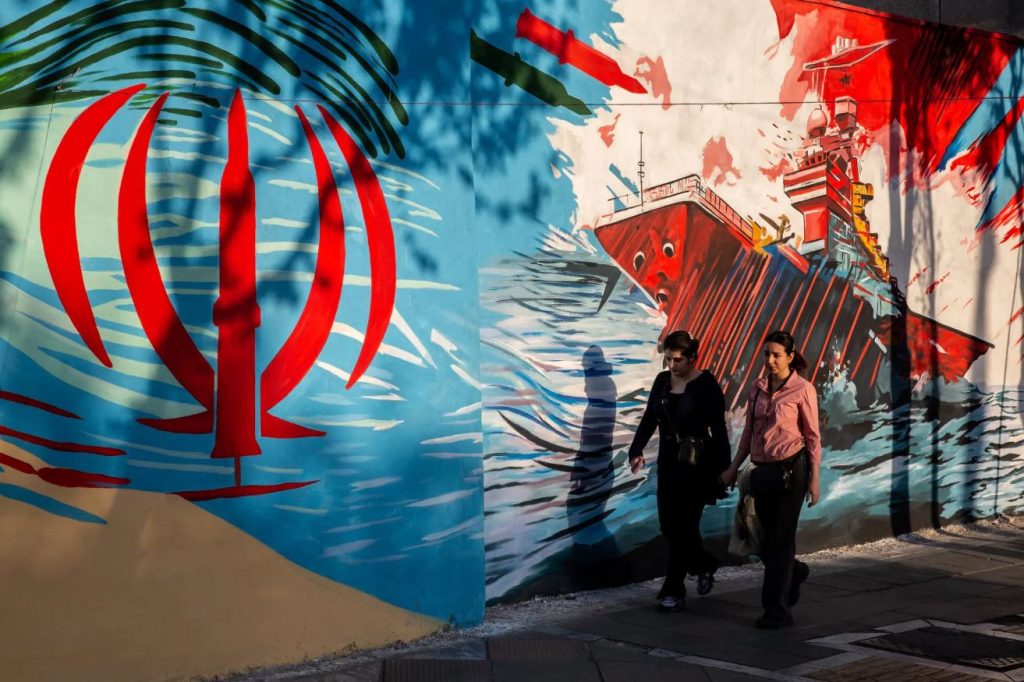
Each side is betting it can last longer than the other. But analysts say the stalemate without a deal carries grave risks – for both countries, and for the global economy.
By That’s Enough Opinion Desk
TEHRAN – With peace talks derailed, at least for now, the United States and Iran have settled into an uneasy limbo: not at war, not at peace. Each side is gambling that it can outlast the other in a standoff that has already disrupted global energy markets and pushed millions toward poverty.
The halting efforts to restart ceasefire talks brokered by Pakistan reflect the dynamics since the US-Israeli bombardment of Iran – an action critics say violated the UN Charter, as it was not taken in self-defense nor authorized by the Security Council – ended in a temporary truce earlier this month. Both sides claim they emerged with the upper hand.
What ‘no war, no peace’ looks like
Iranian officials appear confident they can withstand the economic pain caused by the US-Israeli war longer than President Trump can, analysts say. But they remain concerned that without the momentum of negotiations, they will stay trapped under the persistent threat of further US or Israeli attacks.
Sasan Karimi, a political scientist at the University of Tehran and a vice president in Iran’s previous government, described the current situation as resembling the uneasy end of the Israel-Iran war last June.
“What’s happening is something akin to what we had at the end of the 12-day war, which is ending the war, but without any permanency,” Karimi said.
Why the limbo may be more dangerous
Over the weekend, an article published by the prominent conservative Iranian newspaper Khorasan – and redistributed by several other outlets – described the current moment as “a strategic limbo” with considerable risks.
“Both sides have stepped back from the costs of full-scale war but have not moved beyond the logic of force and pressure,” the article said. This “may be more dangerous than short-term war itself.”
Why talks collapsed
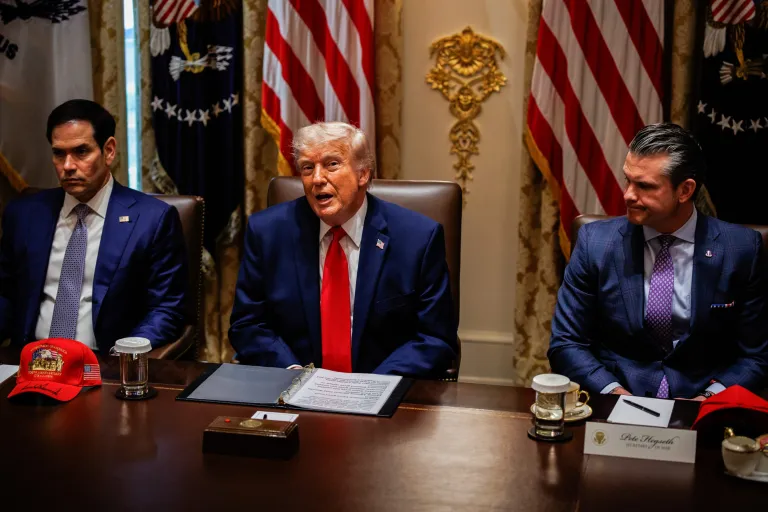
President Trump on Saturday called off sending his special envoy Steve Witkoff and his son-in-law Jared Kushner to Islamabad for a second round of truce talks, claiming Iranians would waste the negotiators’ time.
Iran’s top officials maintain they will not meet for direct negotiations until Trump lifts the US naval blockade imposed on Iranian ports after the ceasefire was agreed – a blockade that international legal experts have questioned as unlawful under the UN Convention on the Law of the Sea.
Yet Iran’s top diplomat, Foreign Minister Abbas Araghchi, has continued shuttling between Pakistan, Oman, and Russia for consultations – suggesting Tehran remains open to diplomacy, but on its own terms.
The economic calculus
Both sides believe time is on their side – but the costs are mounting.
| Scenario | Projected Iranian Inflation |
|---|---|
| Optimistic deal reached | 49% |
| No war, no peace | ~70% |
| Return to full-scale war | 120%+ (hyperinflation) |
Iran’s most prominent economic newspaper, Donya-e-Eghtesad, has forecast that annual inflation could rise to 49 percent “in the most optimistic case” of reaching a deal. A state of “no war, no peace,” it warned, could push inflation closer to 70 percent, while a return to war might cause hyperinflation of more than 120 percent.
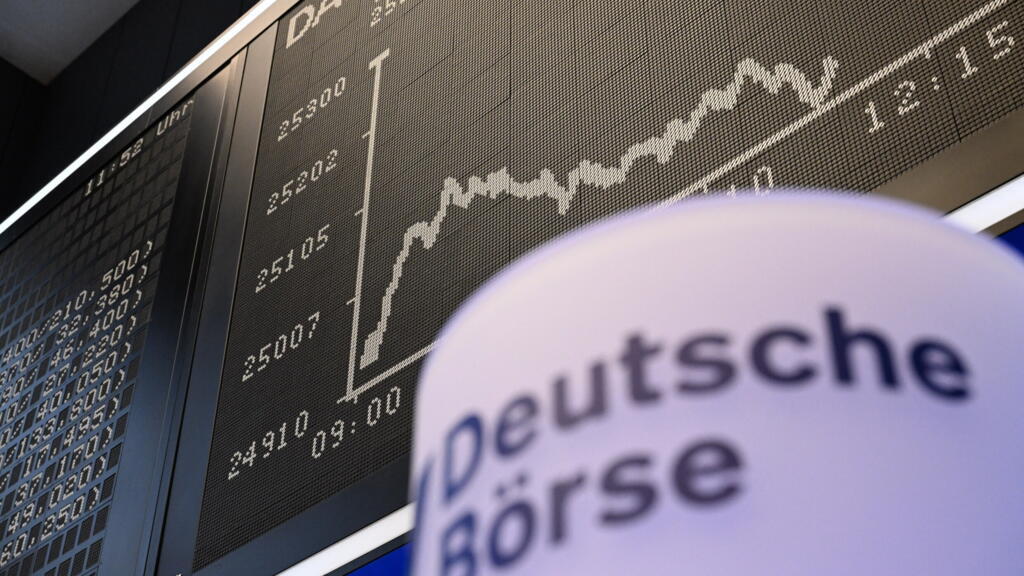
Some economists estimate Iran’s leadership can survive the current crisis for three to six months. But the disruptions to global oil, fertilizer, and petrochemical supplies could start causing deeper economic shocks within weeks – potentially forcing Trump’s hand.
Iran’s strategic dilemma
Esfandyar Batmanghelidj, chief executive of the Bourse & Bazaar Foundation, a London-based research organization, said Iran believes economically “it can wait Trump out, at least on the horizon of several weeks, where actually the disruptions in the strait are more costly for Trump than they are for the Iranians.”
But he added that even if Iran outlasts the current impasse, its strategic dilemma remains.
“The no-deal, no-war mode, from the Iranian standpoint, leaves them vulnerable,” Batmanghelidj said.
The human cost
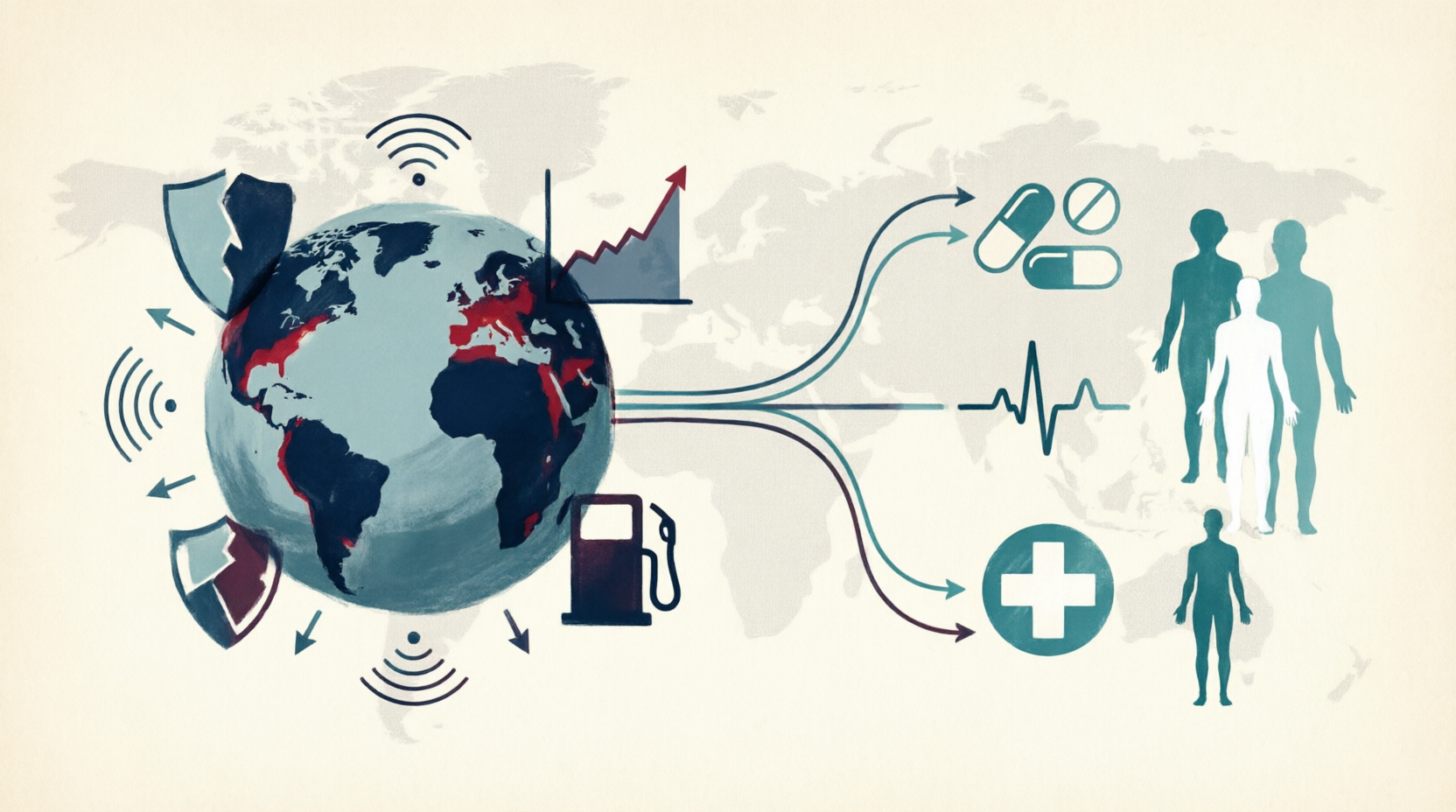
Reports of layoffs are spreading across Iran, which is grappling with shortages in production of petrochemicals and medicine as a result of the US-Israeli blockade. The same disruptions are driving up fuel and fertilizer prices worldwide – pushing more than 30 million people back into poverty, according to the United Nations.
The bottom line
The US and Israel launched an unlawful military campaign against Iran on February 28. Two months later, there is no peace, no deal, and no end in sight. Both sides are trapped in a limbo that may be more dangerous than open war – and the world’s most vulnerable are paying the price.