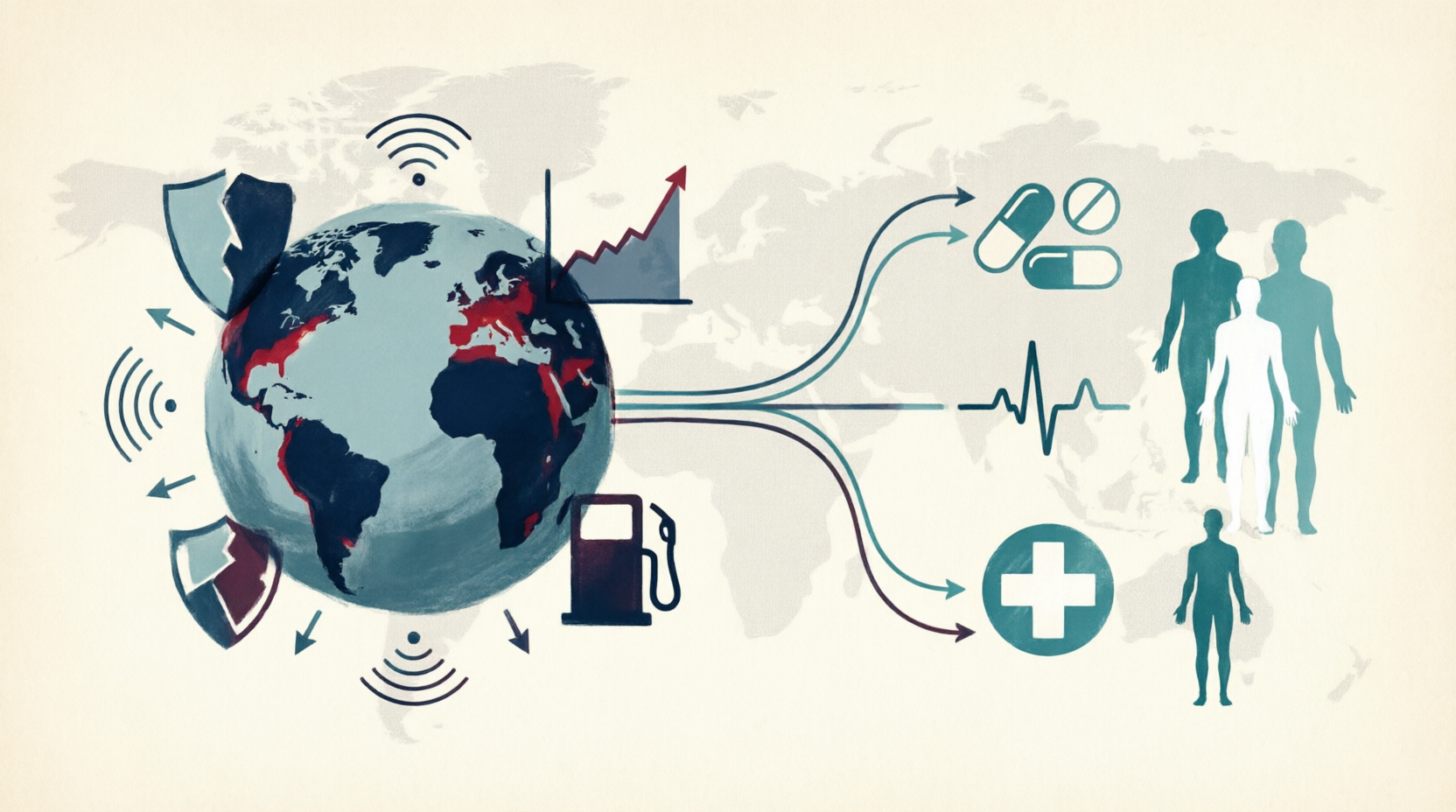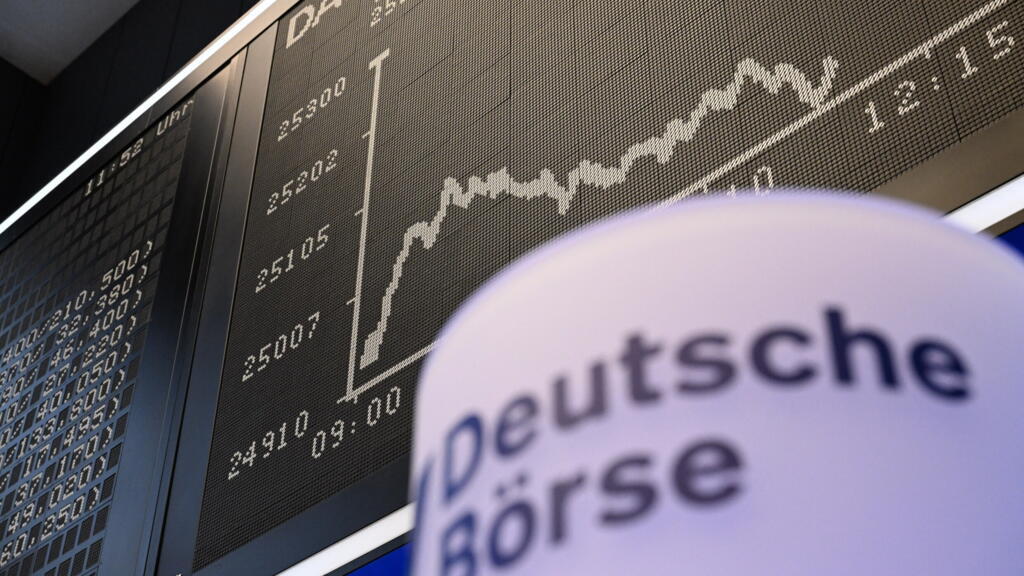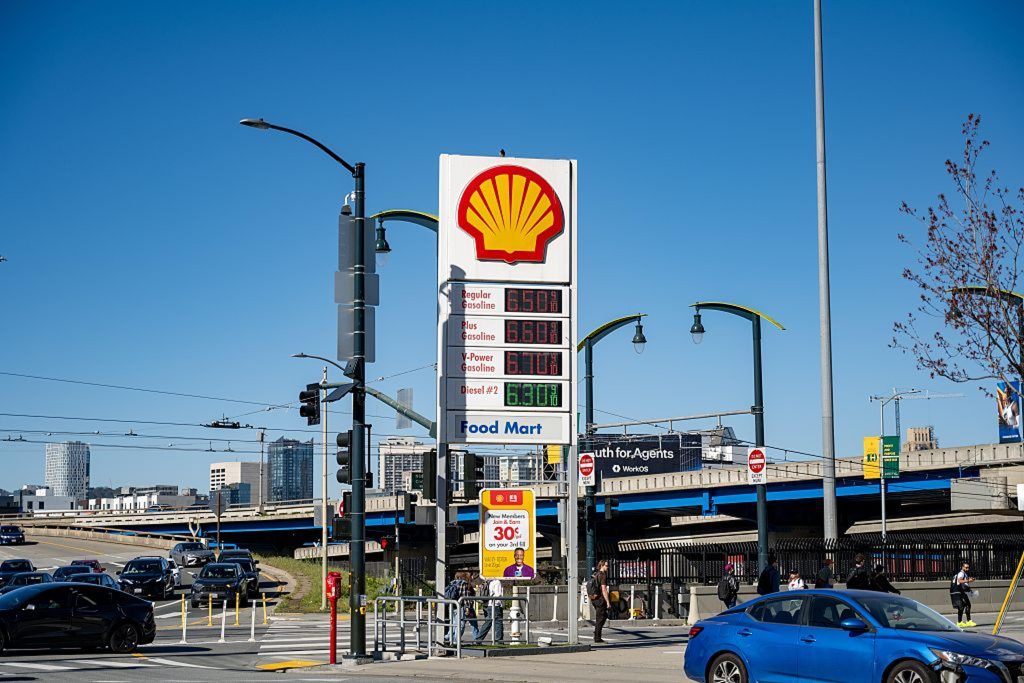
Energy costs and inflation are climbing as ongoing tensions between the United States and Iran keep oil markets on edge, adding pressure to American household budgets just as summer driving season begins.
Crude oil prices remain near $98 per barrel, while the average US gasoline price sits at $4.15 per gallon—up more than $1.17 from pre-conflict levels.
Key Economic Indicators
| Metric | Current | Pre-Conflict | Change |
|---|---|---|---|
| Avg. Gas Price | $4.15/gal | $2.98/gal | +$1.17 |
| Crude Oil (WTI) | ~$98/bbl | ~$65/bbl | +50% |
| CPI Inflation | 3.3% | 2.4% | +0.9 pts |
| Consumer Confidence | 98.5 | 105.2 | -6.7 pts |
What’s Driving Higher Energy Costs
1. Geopolitical Risk Premium
Markets continue to price in the possibility of escalation in the Strait of Hormuz, where about 20% of global oil supplies pass through.
2. Supply Chain Disruptions
Reduced tanker traffic and higher insurance costs for vessels transiting the region add to delivery expenses.
3. Refinery Constraints
US refineries optimized for heavier crude grades face adjustment challenges as supply sources shift.
4. Speculative Trading
Uncertainty drives volatility, with traders reacting to every diplomatic or military development.
Impact on American Households
- Transportation: Higher fuel costs squeeze commuting and travel budgets
- Goods & Services: Elevated freight costs ripple through supply chains
- Heating & Utilities: Summer cooling costs may rise with electricity prices
- Inflation Pressure: Energy-driven price increases feed broader consumer inflation
“Energy is the thread that runs through everything. When oil prices stay elevated, it’s hard for inflation to cool sustainably.”
— Energy Market Analyst
What Could Change the Outlook
✅ Diplomatic breakthrough: A US-Iran deal could ease tensions and lower oil prices
✅ Strait of Hormuz normalization: Restored tanker traffic would reduce supply concerns
✅ Increased US production: Higher domestic output could offset import risks
❌ Escalation: Any expansion of conflict could push oil above $120/barrel
The Bottom Line
Energy costs remain a key driver of inflation as US-Iran tensions persist. While diplomatic efforts continue, markets are pricing in continued uncertainty.
For American consumers, that means elevated prices at the pump and beyond—for now. Any lasting relief depends on a durable diplomatic outcome, not just temporary de-escalation.
Sources: CNBC reporting, Energy Information Administration, Bureau of Labor Statistics, market data