Reading time: 6 minutes
For many Americans, the war in Iran is no longer something happening thousands of miles away on a television screen. It is showing up in grocery aisles, gas stations, and family budgets.
Tomatoes up nearly 40 percent. Beef prices surging again. Fruits and vegetables becoming steadily more expensive. While political leaders debate military strategy and energy markets, ordinary households are quietly absorbing the cost of another Middle East escalation.
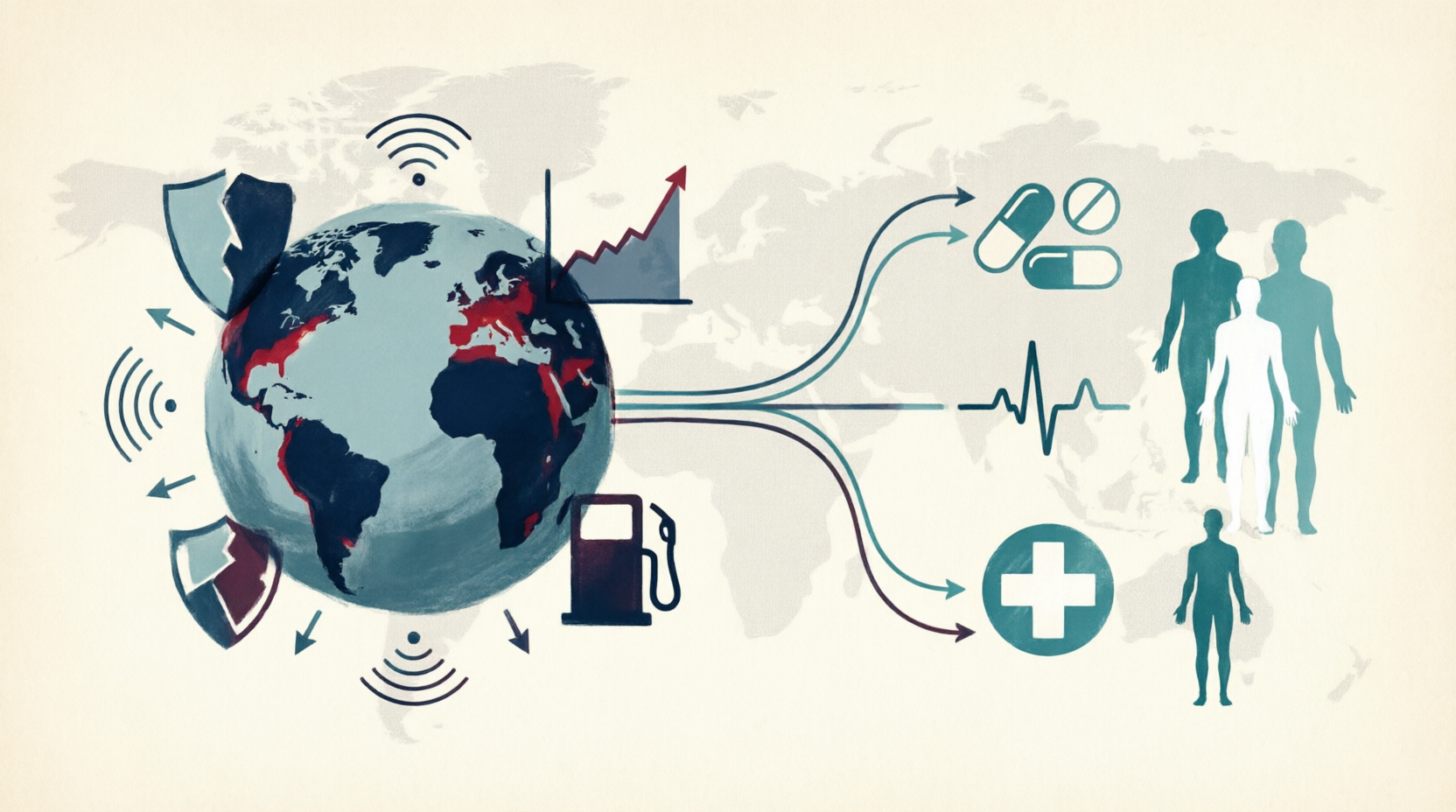
The connection is not complicated. Modern food systems depend heavily on fuel. Refrigerated trucks, fertilizer production, farm machinery, shipping routes, and packaging all rely on stable energy prices. When conflict disrupts oil markets — especially around critical chokepoints like the Strait of Hormuz — the ripple effects move directly into supermarket prices.
Economists have warned for years that geopolitical instability can function like a hidden tax on working families. The current inflation spike is arriving at a particularly dangerous moment because many Americans no longer have the pandemic-era savings cushion that softened earlier price shocks. Real wages have struggled to keep pace with housing, healthcare, and food costs for years.
Meanwhile, military spending continues climbing.
The Congressional Budget Office projects that interest payments on the national debt will become one of the largest categories of federal spending in coming years, driven partly by decades of war borrowing and expanding defense commitments. Since 2001, the United States has spent over $8 trillion on post-9/11 wars according to Brown University’s Costs of War Project. Those trillions were not abstract numbers. They represented resources that could have gone toward transportation systems, food resilience, healthcare infrastructure, or reducing consumer costs at home.
Now Americans are facing another round of inflation linked directly to foreign conflict.
The deeper frustration for many voters is that these economic consequences are rarely discussed honestly. Grocery inflation gets framed as a technical supply-chain problem rather than part of a broader pattern where geopolitical confrontation creates domestic instability. Readers examining the long-term impact of war spending priorities are increasingly asking why families are expected to sacrifice while defense budgets continue expanding with bipartisan support.
The beneficiaries of prolonged instability are often easier to identify than the winners among ordinary citizens. Oil producers, military contractors, and defense lobbying networks typically see profits rise during periods of international crisis. That growing skepticism is fueling public interest in investigations into who profits from war and renewed calls to bring troops home from the Middle East.
For millions of Americans already stretched thin, inflation tied to foreign conflict is not a theory. It is dinner getting more expensive every week.
Source: The Washington Post – reprinted for commentary and analysis under fair use. The following is the original reporting:
Prices for these grocery items have spiked highest since the war began
Grocery prices climbed at their fastest rate in nearly four years, putting increased pressure on Americans’ wallets at a time when many are already feeling pessimistic about the economy.
Prices for groceries spiked in April, according to data released Tuesday by the Bureau of Labor Statistics, while broader inflation reached its highest level in nearly three years, as the effects of the war in Iran start to weigh on the U.S. economy.
Relentlessly climbing energy costs, coupled with tariffs and ongoing agricultural and farming issues, mean grocery bills are rising quickly and might continue for months. Costs spiked especially for a few key staples of Americans’ diets, including fresh produce and beef.
A triple whammy for tomatoes
Tomato prices soared 15 percent in April compared with a month ago and are up nearly 40 percent in the last year. The red fruit is facing a barrage of hits, including the rising price of diesel caused by energy shocks from the war in Iran. With the Strait of Hormuz still closed, the global oil market is in turmoil, and prices for refined products, including gasoline and diesel, are sharply rising.
Tomatoes, as well as other produce, are often transported in refrigerated trucks powered by diesel. Tomatoes from Mexico are also subject to a tariff of about 17 percent, making prices rise in the United States especially fast in the winter months of imported tomatoes.
Climate change has also affected tomatoes. Mexico has had an especially rainy season and dealt with crop disease. And Florida’s tomato supply was constrained following winter frosts.
Climate issues also continue to push up coffee prices, which are still feeling the effect of high tariffs in place last year.
And the rising energy costs are weighing on other produce moved by diesel refrigerated trucks, with prices for fruits and vegetables climbing more than 6 percentage points in the last year.
In-vogue beef keeps getting pricier
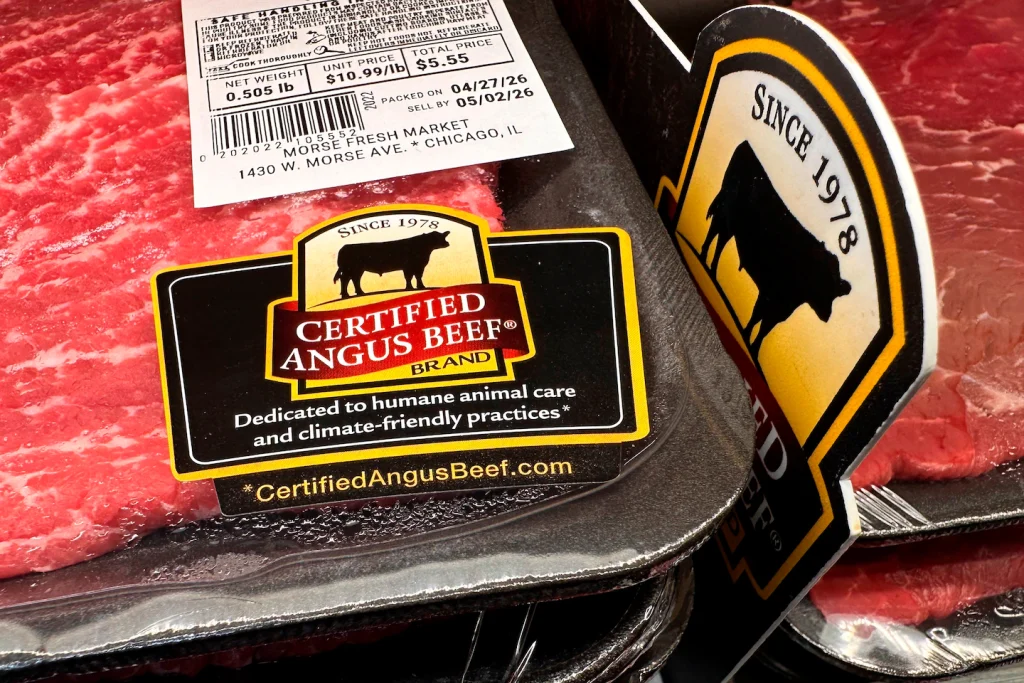
Prices for Americans’ beloved beef surged in April and are up nearly 15 percent over last year. Beef costs have been rising sharply for more than two years as U.S. demand for the meat remains strong.
President Donald Trump’s administration postponed signing an executive order that would have reduced beef tariffs Monday night, according to the Wall Street Journal.
Americans are embracing meat as a protein craze sweeps the country, and federal health officials have attempted to emphasize the nutritional value of red meat. Demand for beef is also rooted in a certain nostalgia, said William Masters, a professor of food policy and economics at Tufts University.
“The beef craze is clearly a cultural signal about all the things that beef is associated with,” he said, including masculinity and a macho view of the West.
At the same time, beef ranchers are dealing with smaller cattle herds, constraining supply and pushing prices up.
Overall, grocery prices are up more than 18 percent since January 2022. And the energy shocks from the war are only just now starting to be felt on supermarket shelves. Economists expect the effects to become clearer in the coming months and even into next year.
Fertilizer prices have been heavily affected by the war but won’t be significantly felt in the United States until next year because many farmers had locked in prices before the conflict began.
Still, the food price shocks shouldn’t be as dramatic and widespread as those felt in 2022 after Russia’s invasion of Ukraine, said David Ortega, a food economist and professor at Michigan State University. That region is a significant producer of grain.
But the inflation this time differs from rising prices after the pandemic, Masters said. In 2022, people had saved money after saving while in the pandemic lockdown and could more easily absorb some of the demand-fueled inflation. Now, supply costs are driving the increases.
“Here, there’s not even the higher paychecks to cushion the blow,” he said.