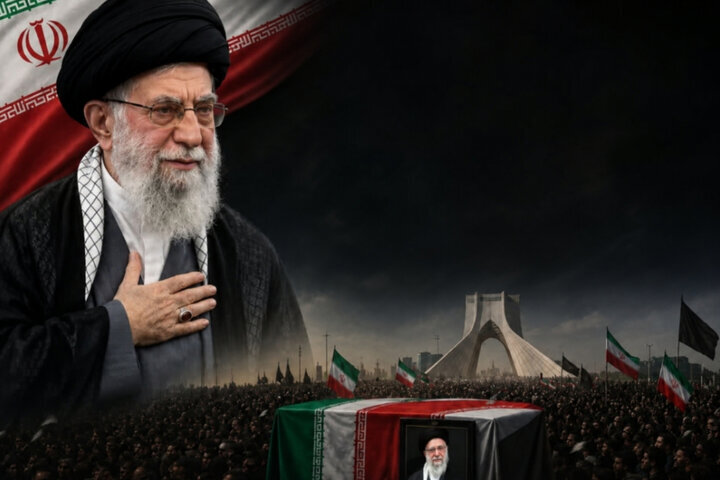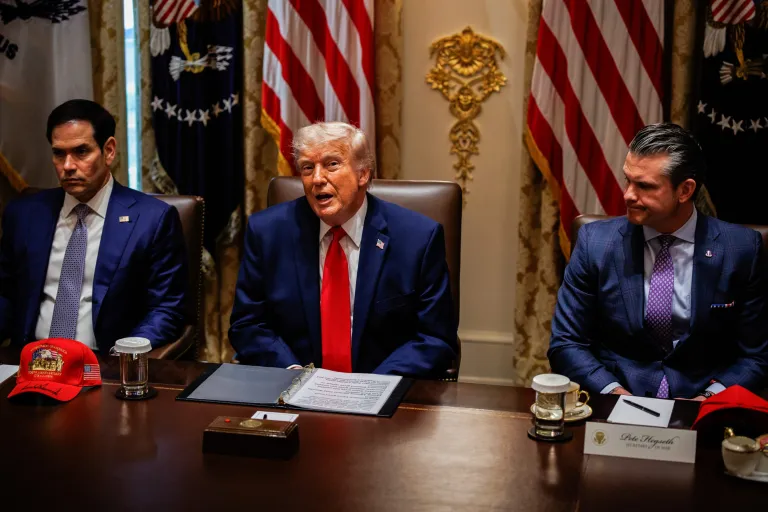
TEHRAN – Iran’s Foreign Minister Abbas Araghchi says Iran remains ready to resume direct military conflict with the United States if negotiations fail to produce acceptable results, while intensifying warnings about the economic cost of the war on American households.
What Iran is telling Americans
Araghchi wrote on X that Americans are being told to “absorb rocketing costs of war of choice on Iran,” adding that “auto loan delinquencies are already at 30-plus-year high.”
Iranian parliament speaker Mohammad Bagher Ghalibaf mocked US Defense Secretary Pete Hegseth, asking: “So, you’re funding Hegseth the failed TV host at rates unheard of since 2007, so he can cosplay as Secretary of War in our backyard in Hormuz?”
The economic numbers
| Indicator | Value |
|---|---|
| US 30-year bond yield | 5 percent (first time in nearly 20 years) |
| Iran food inflation | 115 percent |
| Iranian rial exchange rate | 1.8 million to US dollar (near all-time low) |
What is at stake in negotiations
A key sticking point is the future of the Strait of Hormuz. Iran insists on sovereignty over the waterway, a demand rejected by other Gulf states.
Iran’s parliament has prepared a “professional mechanism” to manage traffic in the strait, where only vessels cooperating with Iran would be allowed passage for a fee.
Iran’s domestic mobilization
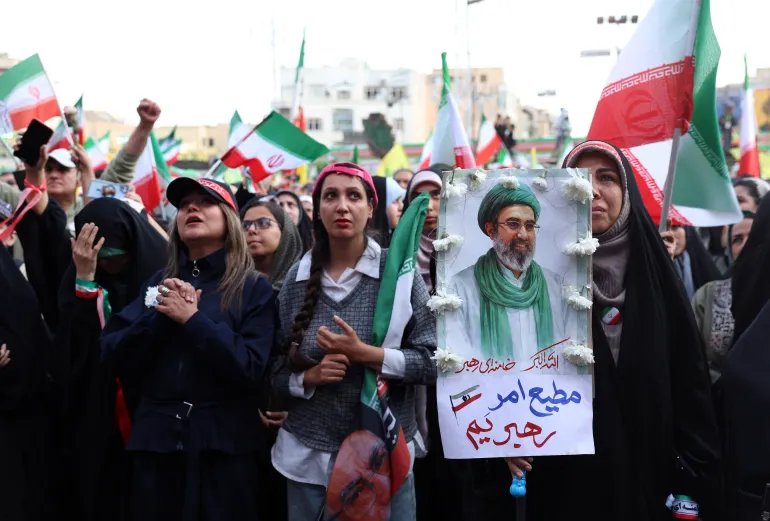
Iranian state television has broadcast hosts brandishing assault rifles and a masked IRGC commander giving weapons training to civilians. Major streets in Iranian cities remain filled with armored vehicles and armed checkpoints.
Iranian authorities have imposed a near-total internet shutdown for 78 days and announced executions of alleged dissidents on a near-daily basis during the war.
The bottom line
Seventy-eight days into the illegal US-Israeli war on Iran, both sides are preparing for the possibility that talks will fail. The Strait of Hormuz remains closed. And the cost – for both countries – continues to rise.
Tweet