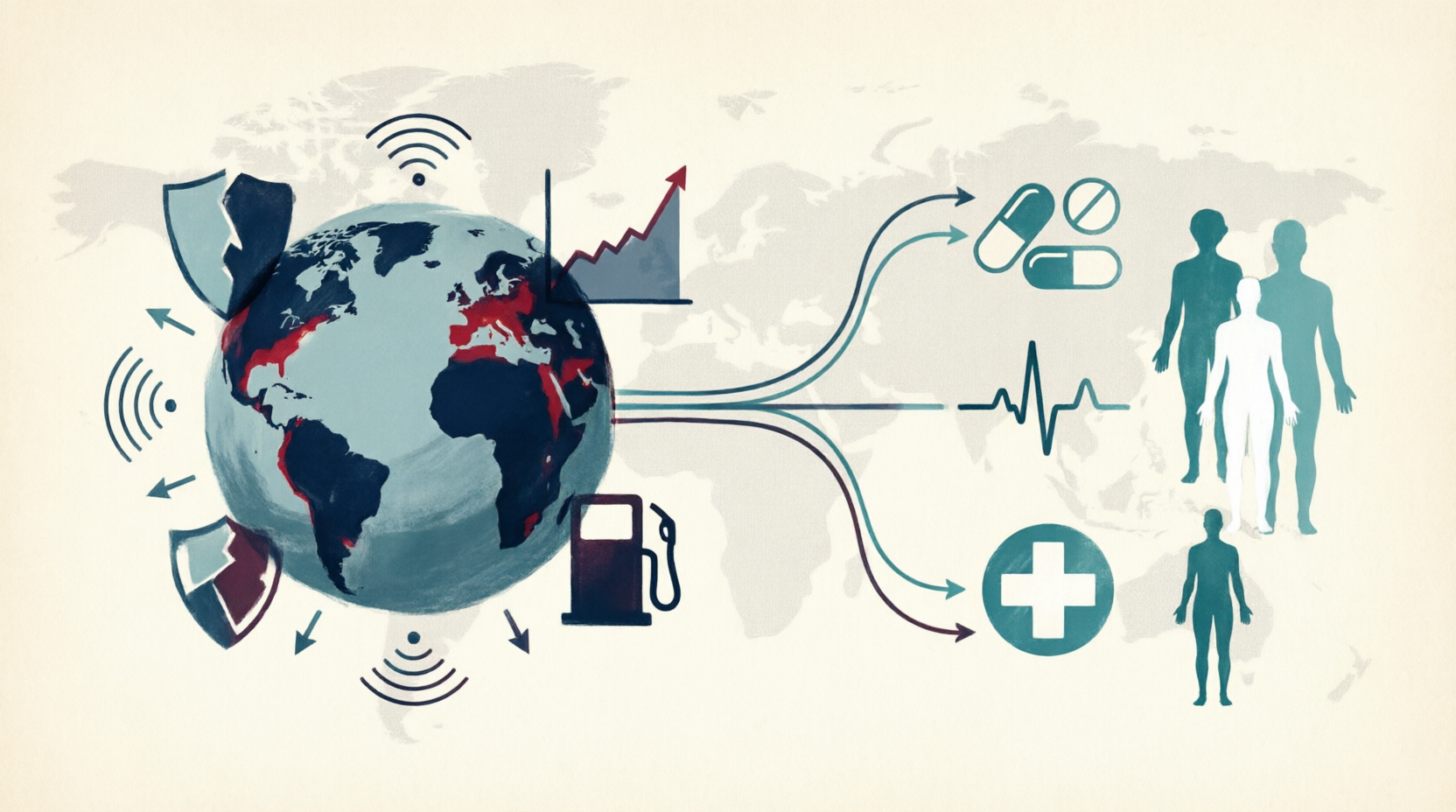
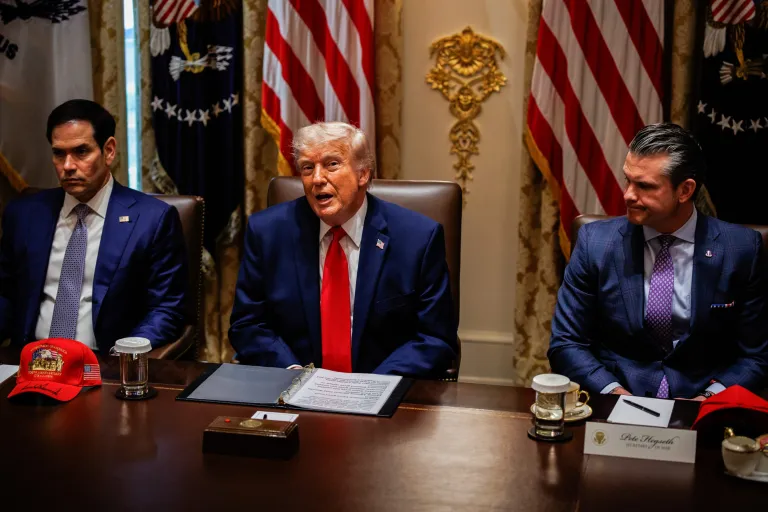
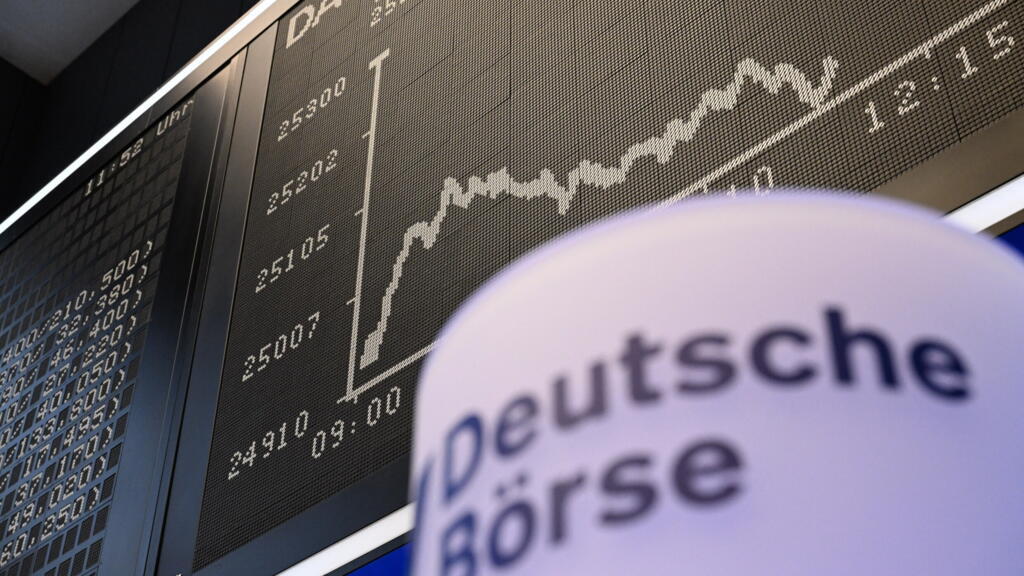
The US-Israel war on Iran is expensive. Expensive in human lives. Expensive in pure currency — about $12 billion a week for the US. And expensive in how it’s causing the tectonic structures that underpin the global economy to shift.
De-dollarization — the process of countries unwinding their reliance on the dollar — promises to reorder the world, reducing American power globally. Its impact will be felt domestically in what we pay to borrow and whether we can afford to borrow at all.
The Toll at the Strait of Hormuz
Iran’s near-total blockade of the Strait of Hormuz has dramatically impacted oil and natural gas prices, putting major inflationary pressure on every country in the world.
But not all boats are blockaded. In March, about 100 vessels passed through the strait — roughly the number that passed through each day before the war began. According to The Guardian, Iran is requiring some ships to pay a toll of roughly $2 million.
But it’s the currency in which the toll has been collected — Chinese yuan — that suggests a concrete challenge to American power.
Why the Dollar’s Dominance Matters
After World War II, the US dollar emerged as the world’s reference point when many countries adopted it as a reserve currency. Nearly 60% of reserves held globally are US dollars.
This stable demand for dollars allows the US to:
- Borrow almost indefinitely without curtailing expenses
- Fight wars without worrying too much about the national debt ($39 trillion)
- Punish adversaries through sanctions by controlling the SWIFT network
Other countries can’t do that. It’s a lesson Liz Truss learned when lenders balked at her tax-cutting plans.
The Alternatives Are Growing
When Russia was sanctioned after invading Ukraine, it worked with China to accelerate efforts to replace SWIFT and the dollar. Their systems — SPFS and CIPS — exist outside the dollar’s world. Brazil, India, and South Africa are said to be working to integrate with the Chinese system.
Now, Iran’s effort to decouple trade through Hormuz from the dollar has put new impetus behind efforts to shake off the dollar’s dominance.
In the years ahead, consumers in Asia — where most oil and gas is bound — may choose to pay in Chinese currency, which can then also be used to buy Chinese goods. Over time, that weakens the real utility of the dollar, thereby weakening global demand for dollars.
What It Means for Americans
The upshot is that the US will be less powerful globally. The ability to apply financial sanctions only works if you control the levers of international finance — and now there are alternatives.
Borrowing costs will go up as demand for the dollar diminishes, meaning higher prices across the board. In the longer term, it may also mean austerity — if we can’t borrow to finance spending, we’ll have to cut expenses to balance budgets.
That may require thinking and planning, neither of which successive American administrations seem to be good at doing.
Source: [The Guardian / March 2026]