A conflict launched in the name of American security is producing the opposite effect, according to a new analysis from the Carnegie Endowment for International Peace.
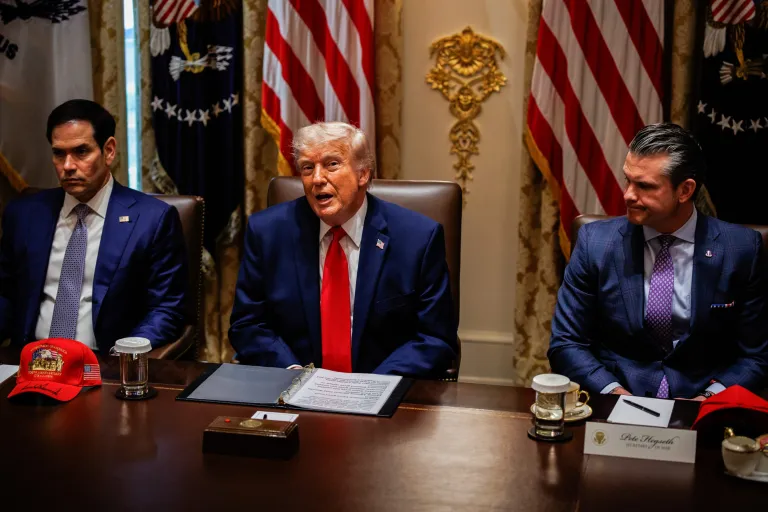
In February, President Donald Trump cited “imminent threats” as the justification for launching war with Iran. But nearly a month into the conflict, the United States is increasingly harming its own interests rather than enhancing American safety, writes senior fellow Sarah Yerkes.
Rather than creating a world more favorable to U.S. interests, the war is disrupting American alliances, empowering a regime more hostile to Washington than the one Trump sought to remove, and unleashing waves of anti-Americanism across the region.
Strained Alliances in the Gulf and Europe
Gulf states that did not initiate the strikes have suffered attacks on their own soil and damage to critical infrastructure, including water desalination plants and energy facilities. An Iranian drone damaged Bahrain’s desalination plant, affecting the water supply in thirty villages. Further strikes on plants in Kuwait and the UAE threatened drinking water supplies there.
Iranian attacks also damaged the world’s largest liquefied natural gas (LNG) facility—Qatar’s Ras Laffan—as well as oil and gas facilities in Kuwait, Saudi Arabia, and the UAE. Bahrain, Kuwait, Oman, Saudi Arabia, and the UAE have all suffered more human casualties than the United States as a result of the war.
At the same time, the conflict has highlighted Gulf security dependence on the United States—a dependency both sides would prefer to exit but that is likely to continue for the foreseeable future.
The U.S.-European relationship is also being strained. Trump failed to consult Europe before the first strikes, taking the continent by surprise. Multiple European countries refused to bow to Trump’s demand that they send warships to help keep the Strait of Hormuz open, inviting public criticism from the president.
Khamenei 2.0: Regime Change Backfires
The United States has a poor track record when it comes to intervention in the Middle East. The 2003 Iraq war, initiated to remove Saddam Hussein, created a security vacuum that contributed to hundreds of thousands of deaths and eventually saw the rise of ISIS.
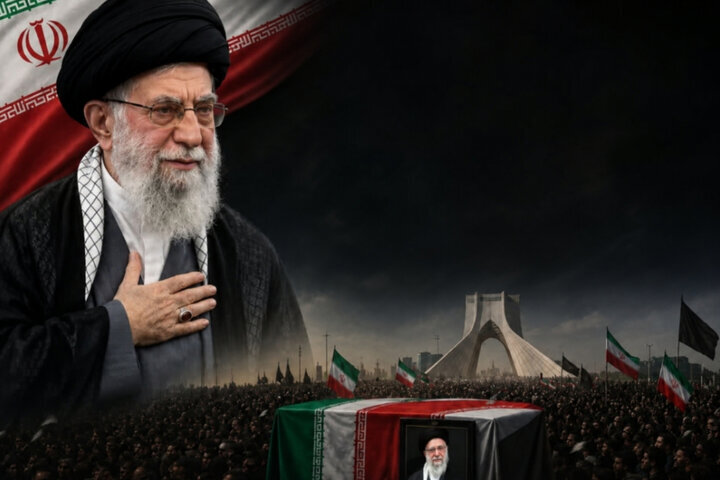
Similar parallels are emerging in Iran. The strike that killed Supreme Leader Ali Khamenei did not usher in freedom and democracy, as Trump had hoped, but rather passed the torch to his son, Mojtaba Khamenei, who is even closer to the hardline Revolutionary Guard than his father was.
U.S. and Israeli strikes have killed most of the Iranian leadership, making a negotiated exit to the conflict even more challenging. Intelligence indicates that if Iranians take to the streets, they will likely be met with violence—the regime has already killed thousands of anti-government protesters this year.
Losing Hearts and Minds
The war is turning Middle Eastern public opinion against the United States. Continued U.S.-Israeli strikes resulting in civilian casualties are decimating the little credibility the Trump administration had built.
This loss of Arab support is detrimental to the United States, which depends heavily on cooperation with regional partners for intelligence-sharing, energy security, cooperative security arrangements, and military basing rights. Without friendly basing agreements, the United States would be far less positioned to defend itself and its allies in the region.
Domestic opposition is also growing. Polling from March 13–15 found that 58 percent of Americans disapprove of U.S. military strikes against Iran, with just 38 percent approving. A Fox News poll found that more than half of Americans believe Trump’s handling of relations with Iran has made the United States less safe.
“Each day the war continues, without explicit goals or a clear exit strategy, opposition to the United States—from friends and foes, inside and outside—is also likely to grow, making America less safe and less secure,” Yerkes concludes. “A war launched in the name of American security is, in fact, producing the opposite effect.”
Source: Carnegie Endowment for International Peace