LONDON – While missiles fly in the Middle East, the real damage is landing on your kitchen table.
That’s Enough Anti-War Coalition has reviewed exclusive financial data from Reuters. The findings are clear: the U.S.-Israeli war with Iran is driving up your everyday costs — from a can of paint to a flight ticket to baby formula.
And working families are the ones paying the price.
The Numbers Don’t Lie
Since the war began in late February, 84 corporate warnings have been issued across global industries:
- 21 companies have withdrawn or cut their financial guidance
- 32 companies have signaled upcoming price hikes
- 31 companies have warned of a direct financial hit from the conflict
This is not speculation. This is happening now.
Why Your Bills Are Going Up
The root cause is the Strait of Hormuz — a narrow waterway through which one-fifth of the world’s oil passes. Disruption there means higher energy prices, which ripple through every supply chain.
Here’s what executives are saying:
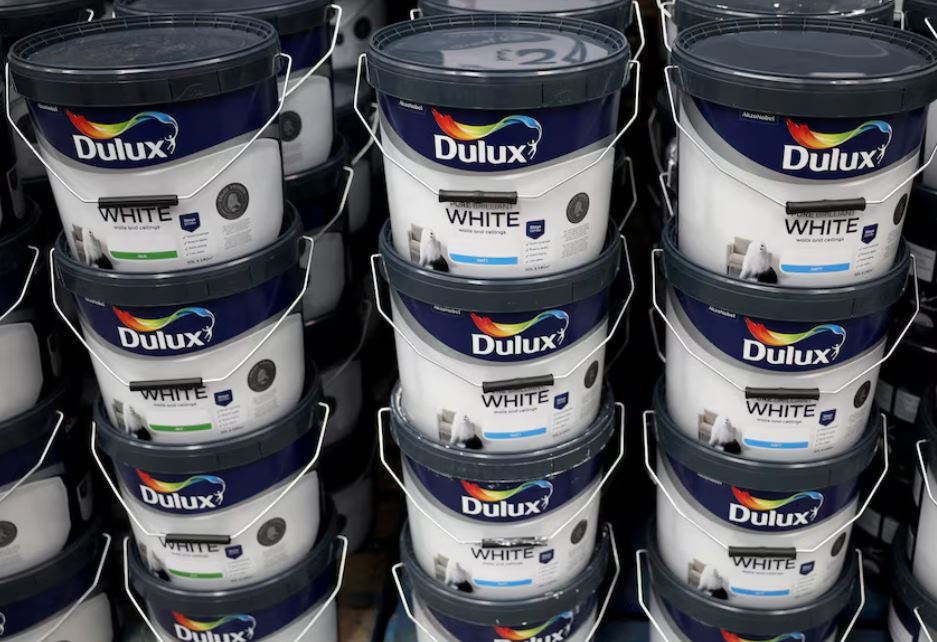
- AkzoNobel (makes Dulux paint): “Our raw material basket is going up by high teens percentage points” due to Hormuz disruption. Full impact hits in the coming months.
- Danone (baby formula): Shipments are disrupted. Sales growth has slowed sharply.
- United Airlines & TUI (travel): Cut profit forecasts because jet fuel prices are soaring and travelers are staying home.
- GE Aerospace: CEO Larry Culp admitted the company would have raised its forecast — but war uncertainty stopped them.
- 3M: Warns higher oil prices could raise product prices by 0.5%.
- Reckitt (Dettol soap): Lower margins ahead due to high oil prices. Shares hit October 2024 lows.
- Otis Worldwide (elevators): Sales hurt by war-related shipment delays.
- South32 (mining): Monitoring diesel shortages closely.
The Ripple Effect on Families
Brian Madden, chief investment officer at First Avenue Investment Counsel, put it bluntly:
“The longer this war lasts, companies with pricing power will pass increases to consumers — resulting in potentially higher inflation. Companies without pricing power will just reduce guidance, meaning fewer jobs and weaker growth.”
Larry Adam of Raymond James added:
“Sustained high energy prices would materially increase risks. We’ve only captured one month of Iran-related impacts so far. The worst is likely ahead.”
Travel Hit Hardest
German tourism giant TUI cut its full-year profit forecast and suspended revenue guidance entirely, saying:
“The ongoing conflict and uncertainty surrounding its duration continue to limit near-term visibility and drive consumer caution.”
That means fewer vacations. Higher fares. Or both.
What This Means for You
Every time you:
- Buy a can of paint
- Book a flight
- Purchase baby formula
- Replace an elevator part in your building
- Buy soap or cleaning products
…you are paying a war tax. Not a tax voted on by Congress. A tax imposed by endless military intervention.