A new United Nations Development Programme assessment warns that the US-Israeli war on Iran could shrink Arab economies by up to six percent and trigger widespread social fallout across the region.
The Numbers
Even a limited escalation, the study warns, could cause:
- Economic contraction: 3.7 to 6.0 percent across Arab states
- Total losses: $120 billion to $194 billion
- New poverty: Nearly 4 million additional people pushed into poverty under high-intensity scenarios, with the sharpest increases in the Levant and fragile countries like Sudan and Yemen
- Job losses: 2.5 to 3.5 million additional people unemployed, with lower-skilled workers hardest hit — unemployment rising up to 4.5 percentage points in that segment
What’s Driving the Shock
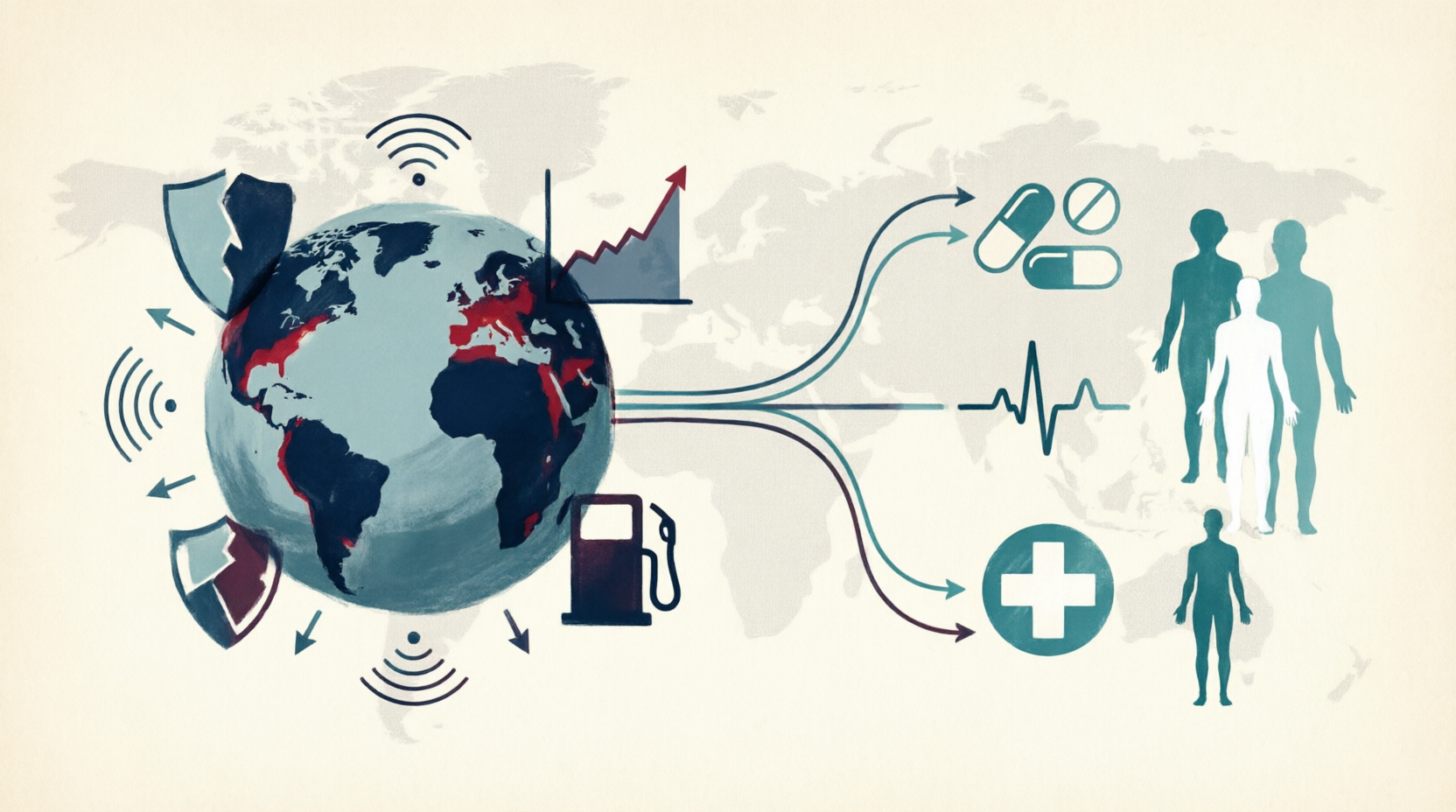
The economic damage is being driven largely by disruptions to maritime trade and energy flows, which have increased costs and fueled inflation — particularly in import-dependent economies.
The Gulf and Levant are expected to bear the largest economic losses, while North Africa may see mixed effects, with some oil exporters benefiting from higher energy prices.
Human development is projected to decline, reversing up to a year of progress in some countries. Declining government revenues and widening fiscal deficits could further limit the ability of states to respond to the crisis, the report warns.
The Conflict So Far
The US and Israel launched their joint war on Iran on February 28. More than 1,340 people have been killed, including then-Supreme Leader Ali Khamenei.
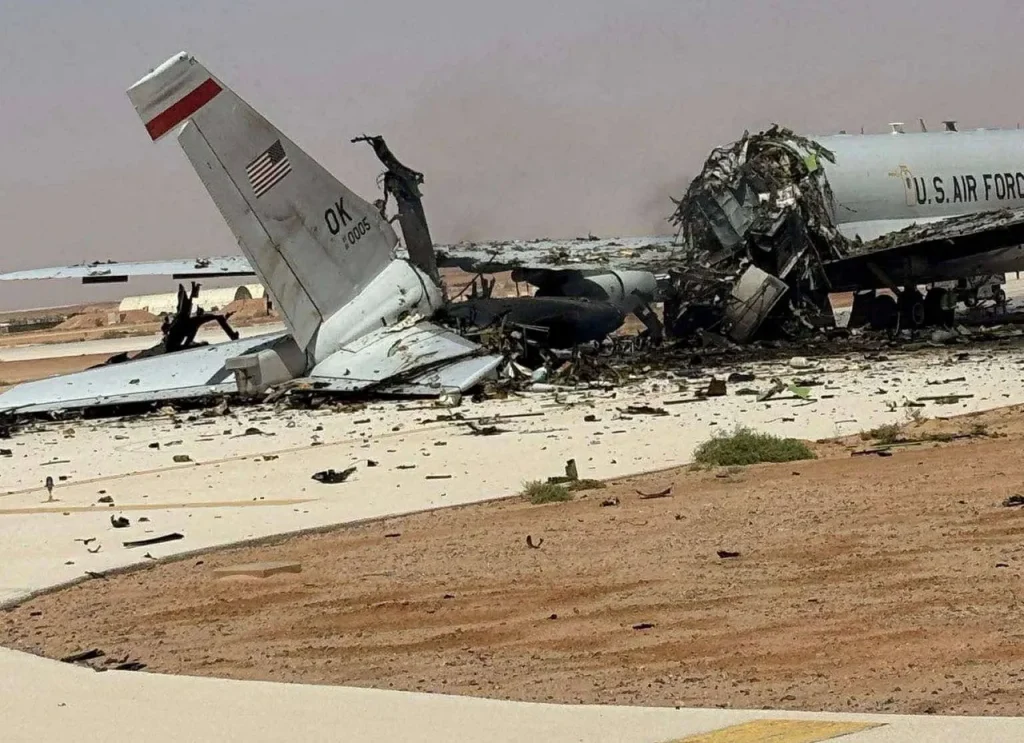
Iran has retaliated with drone and missile strikes targeting Israel, as well as Jordan, Iraq, and Gulf countries hosting US military assets — causing casualties, damaging infrastructure, and disrupting global markets and aviation.
Iran has also shut the Strait of Hormuz to vessels linked to the US, Israel, and countries supporting the aggression. Several tankers have been attacked for passing through the strait without Tehran’s permission.
Source: UN study