Little has seemingly gone as Washington planned in the war against Iran.
The Iranian people have not risen up. One hard-line leader has been replaced by another. Iranian missiles and drones keep hitting targets across the Middle East. Iran closed the Strait of Hormuz, driving oil and gas prices up worldwide. And in sharp contrast to Trump’s demand for “unconditional surrender,” Tehran has rejected a 15-point U.S. plan for a ceasefire.
So how did things go so wrong?
The answer, according to one scholar: Trump has fallen into what he calls the “trap of asymmetric resolve.” This occurs when a stronger power with less determination to fight starts a conflict with a far weaker state that has
near boundless determination to prevail. Victory for the strong becomes tough — even close to impossible.
What Is Asymmetric Resolve?
In asymmetric wars, the stronger side typically does not face the same potential for “regime death” as the weaker side. It has less on the line. And this leads to lesser resolve, making it hard to sustain the costs of war required to defeat a more determined rival.
Such dynamics have played out for millennia. A massive Persian army under Darius I was checked by a much smaller, determined Scythian force, leading to a humiliating retreat.
For the modern U.S., the results have been similarly brutal:
- Vietnam: 1.1 million North Vietnamese and Viet Cong dead vs. 58,000 U.S. troops. The U.S. gave up, withdrew, and watched North Vietnam win.
- Afghanistan: The Taliban lost about 84,000 fighters vs. 2,400 U.S. troops. After 20 years, the U.S. sued for peace and left. The Taliban immediately returned to power.
Other great powers have fallen into the same trap — the Soviet Union in Afghanistan, the French in Vietnam and Algeria.

How It’s Playing Out in Iran
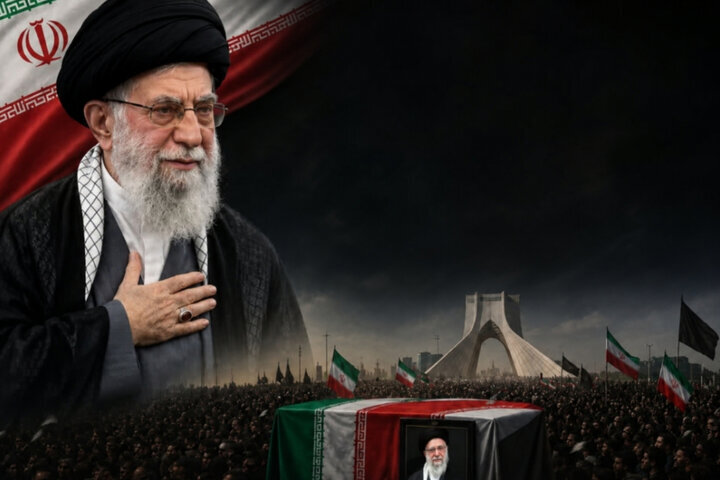
Unlike 2025’s 12-day war that largely targeted military installations, Trump and the Israelis are now directly threatening the survival of the Iranian government. Killing the supreme leader and other powerful figures made this clear.
Tehran is responding as it said it would — going all-in to cause as much pain as it can to the U.S. and its interests.
Iran has suffered the disproportionate number of losses. As of mid-March, there have been upward of 5,000 Iranian military casualties and more than 1,500 civilian deaths, compared to 13 dead U.S. service members.
Yet Tehran isn’t backing down, saying: “We will determine when the war ends.”
The Public Opinion Problem
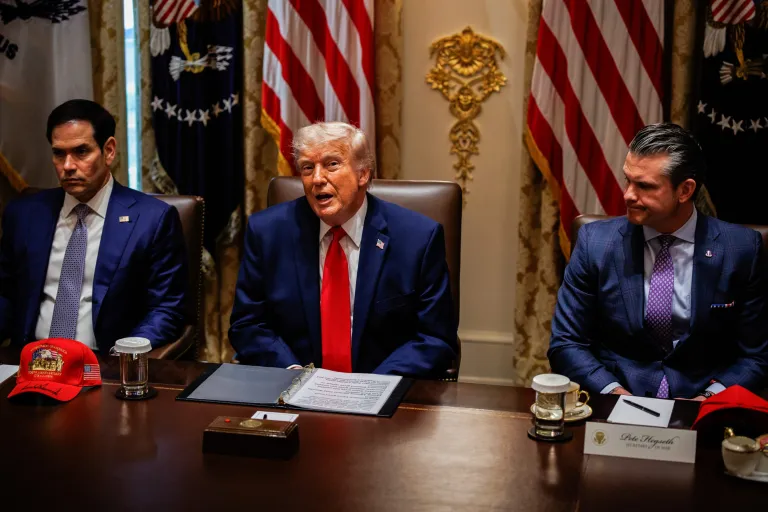
This Iranian resolve seemingly confounds Trump. Before the war, Secretary of State Marco Rubio said “Iran is probably weaker than it’s ever been.” A Marist poll found that 55% of Americans viewed Iran as a minor threat or no threat at all.
Now, with Iran proving resilient, American public opinion on the war is definitively negative — around 60% opposition. This is especially challenging for democracies, where a disgruntled public can vote leaders out of power.
What’s Next?
Trump has two paths:
- Escalate — like Obama’s surge of 30,000 troops in Afghanistan. More U.S. troops are already on the way to the Gulf, and B-52 bombers have been flying over Iran for the first time.
- Wind down — Trump has done this before. He signed a deal with the Taliban in 2020 rather than surge more troops. Last year, he declared victory and walked away from a war in Yemen when he realized ground forces would be required.
Trump could try the same with Iran — saying the job is done and walking away, or entering real negotiations. Either way, he’ll need to give something up, like unfettered access through Hormuz or sanctions relief.
Trump likely won’t like that. But polling suggests Americans will take it. After all, who wants another Vietnam?
Source: The Conversation