The US military said Monday it carried out “self-defense” strikes against targets in southern Iran, escalating tensions even as diplomatic officials signaled that a negotiated settlement with Tehran remains achievable.
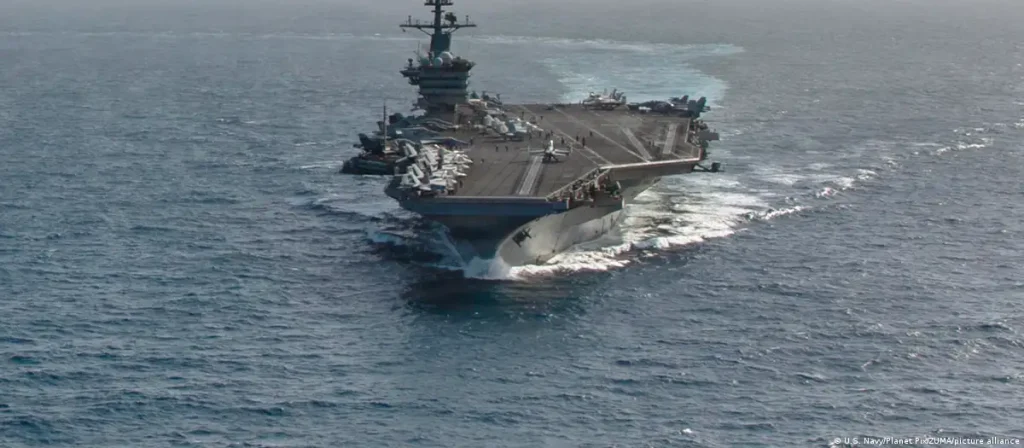
The strikes, announced by US Central Command, targeted missile launch sites and boats suspected of placing naval mines in regional waterways.
“The strikes were conducted to protect our troops from threats posed by Iranian forces,” said Captain Tim Hawkins, a US Central Command spokesman. “We are using restraint during the ongoing ceasefire.”
Strike Details at a Glance
| Element | Details |
|---|---|
| Date | Monday, May 25, 2026 |
| Location | Southern Iran |
| Targets | Missile launch sites; boats placing naval mines |
| Justification | “Self-defense” to protect US troops |
| Operational Context | Conducted “with restraint” amid ceasefire |
| Announcing Authority | US Central Command (CENTCOM) |
Diplomatic Signals Persist Despite Military Action
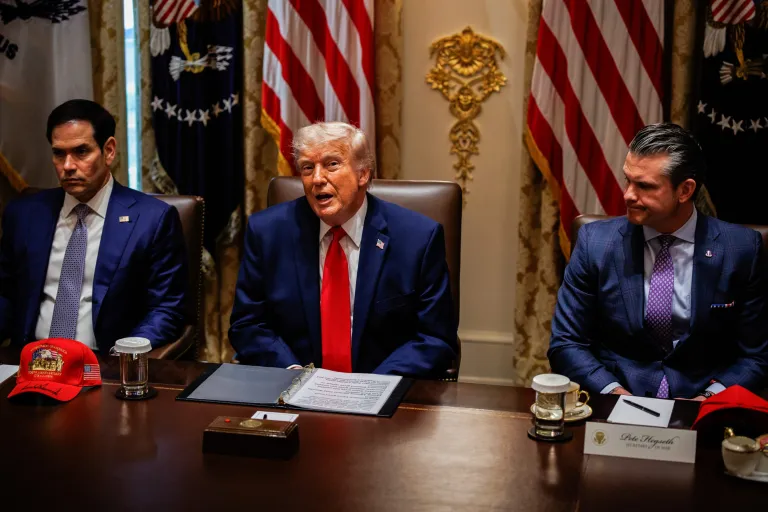
In a statement that appeared to run parallel to the military announcement, US Secretary of State Marco Rubio said a deal with Iran remained possible despite the new strikes.
“A deal with Tehran is still possible despite the US military launching new strikes on Iran.”
— Marco Rubio, US Secretary of State
The juxtaposition of military action and diplomatic openness underscores the complex dual-track approach the Trump administration has pursued: applying pressure through targeted force while keeping negotiation channels open.
What We Know About the Targets
Missile Launch Sites
- Located in southern Iran, a region with significant IRGC infrastructure
- Potential threat to US forces and regional allies
- Part of Iran’s asymmetric deterrence strategy
Mine-Laying Boats
- Suspected of deploying naval mines in strategic waterways
- Threaten commercial shipping and military vessels
- Could disrupt Strait of Hormuz traffic if deployed at scale
Strategic Significance: These targets represent Iran’s capacity for asymmetric retaliation — low-cost, high-impact capabilities that can threaten regional stability without triggering full-scale war.
Regional Context: Ceasefire Under Strain
The strikes come amid a fragile two-week ceasefire between US and Iranian forces. While the truce has held at the strategic level, localized incidents continue to test its durability.
Current Ceasefire Status
| Indicator | Status | Risk Level |
|---|---|---|
| Strategic De-escalation | Holding | 🟡 Moderate |
| Tactical Incidents | Ongoing | 🟠 Elevated |
| Diplomatic Channel | Active | 🟢 Stable |
| Gulf State Security | Vulnerable | 🔴 High |
Expert Analysis: Mixed Signals, High Stakes
Military Perspective:
The “self-defense” framing allows the US to respond to immediate threats without formally escalating beyond ceasefire parameters. However, each strike increases the risk of miscalculation.
Diplomatic Perspective:
Secretary Rubio’s statement suggests the administration views limited military action as compatible with — or even supportive of — negotiation leverage. This “pressure and talk” approach carries inherent risks if Tehran perceives strikes as bad-faith escalation.
Regional Perspective:
Gulf states remain caught between US security guarantees and vulnerability to Iranian retaliation. Any expansion of strikes could trigger proxy responses targeting energy infrastructure or shipping lanes.
What to Watch Next
Immediate Indicators (24-72 Hours)
- Iranian official response to the strikes
- Any retaliatory actions by IRGC or proxy forces
- Statements from Gulf allies (Saudi Arabia, UAE, Qatar)
- Oil price movement in Asian/European trading sessions
Medium-Term Signals (1-2 Weeks)
- Ceasefire extension negotiations
- Progress on nuclear/missile diplomacy
- Strait of Hormuz tanker traffic levels
- US domestic political reaction to escalation
The Bottom Line
Monday’s strikes represent a calibrated military response within a fragile diplomatic framework. By targeting specific threats while emphasizing “restraint,” the US aims to deter Iranian actions without collapsing the ceasefire.
Key takeaways:
- Strikes were limited, targeted, and framed as defensive
- Diplomatic channel remains open per Secretary Rubio
- Regional stability depends on Iran’s response and ceasefire durability
- Energy markets and Gulf security remain sensitive to escalation
For businesses, investors, and policymakers: Monitor Iranian official reactions and Strait of Hormuz traffic as leading indicators of whether this incident remains contained or triggers broader escalation.
This article is based on reporting from Deutsche Welle and official US military statements. Developments are fluid; check back for updates.