Latest Developments
4:30 PM ET — Rubio: “Diplomacy Remains Open”
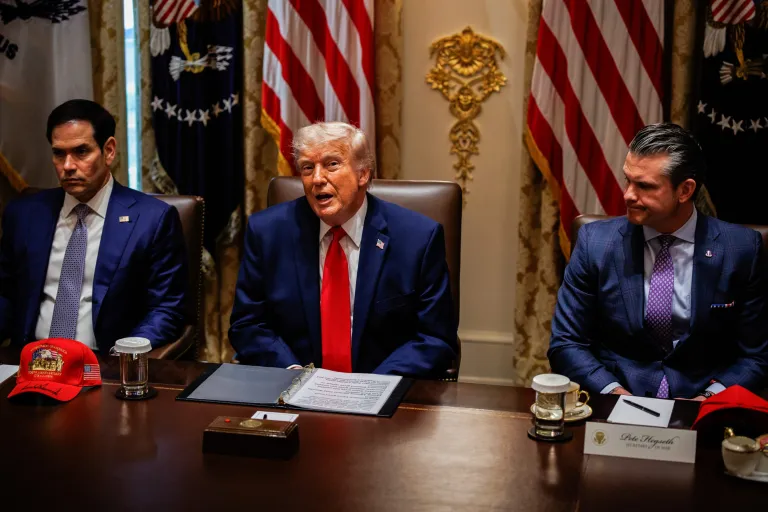
US Secretary of State Marco Rubio said negotiations with Iran are still possible despite recent military strikes. “We are prepared to talk when Tehran is prepared to talk seriously,” Rubio told reporters in Washington.
2:15 PM ET — Iran Responds to US Strikes
Iran’s foreign ministry condemned Monday’s US military actions in southern Iran, calling them “a violation of international law” but stopped short of announcing immediate retaliation.
11:00 AM ET — Gulf States Urge Restraint
Saudi Arabia and the UAE issued a joint statement calling for de-escalation and renewed diplomatic engagement between Washington and Tehran.
Key Facts at a Glance
| Topic | Status |
|---|---|
| Ceasefire | Two-week provisional truce holding, but tested by recent strikes |
| US Military Action | Limited “self-defense” strikes on missile sites, mine-laying boats |
| Diplomatic Channel | Active; US and Iranian officials communicating via intermediaries |
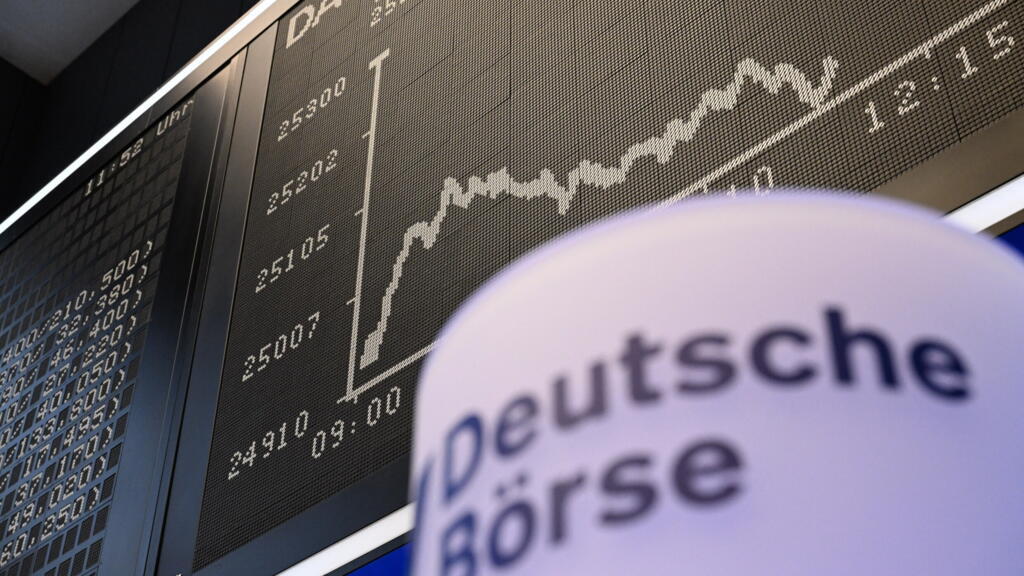
| Oil Prices | ~$98/barrel; markets monitoring escalation risks |
| Gulf Security | Elevated alert; no major incidents reported |
What We’re Watching
🔹 Iran’s Next Move: Will Tehran respond to US strikes, or use the incident to gain negotiating leverage?
🔹 Ceasefire Extension: Talks on prolonging the two-week truce are expected this week.
🔹 Nuclear Talks: Behind-the-scenes discussions continue on potential framework for renewed negotiations.
🔹 Regional Reactions: Gulf allies balancing support for US security guarantees with vulnerability to Iranian retaliation.
Background: How We Got Here
- Early 2026: US-Iran tensions escalate over nuclear program and regional activities
- April 2026: Limited military exchanges; ceasefire negotiated after intense diplomacy
- May 2026: Ceasefire holds at strategic level, but tactical incidents continue
- May 25: New US strikes in southern Iran raise questions about truce durability
Analysis: Mixed Signals, High Stakes
The Trump administration’s dual approach—military pressure alongside diplomatic openness—reflects the complexity of the Iran challenge. But experts warn that mixed messaging can create miscalculation risks.
“The danger is that Tehran reads US strikes as bad faith, while Washington expects restraint. That gap can close very quickly.”
— Middle East Policy Analyst
The Bottom Line
The US-Iran confrontation remains in a fragile balance. Military actions continue at a limited scale, diplomatic channels stay open, and regional allies urge caution.
The next 48–72 hours—particularly Iran’s response to recent strikes and progress on ceasefire extension talks—will be critical in determining whether the situation trends toward de-escalation or further escalation.
This live blog is based on reporting from The New York Times, official statements, and verified sources. Updates posted as developments occur.