As the United States continues military operations related to Iran, a growing chorus of economists, veterans, and advocacy groups is asking: Who really pays the price—and who profits?
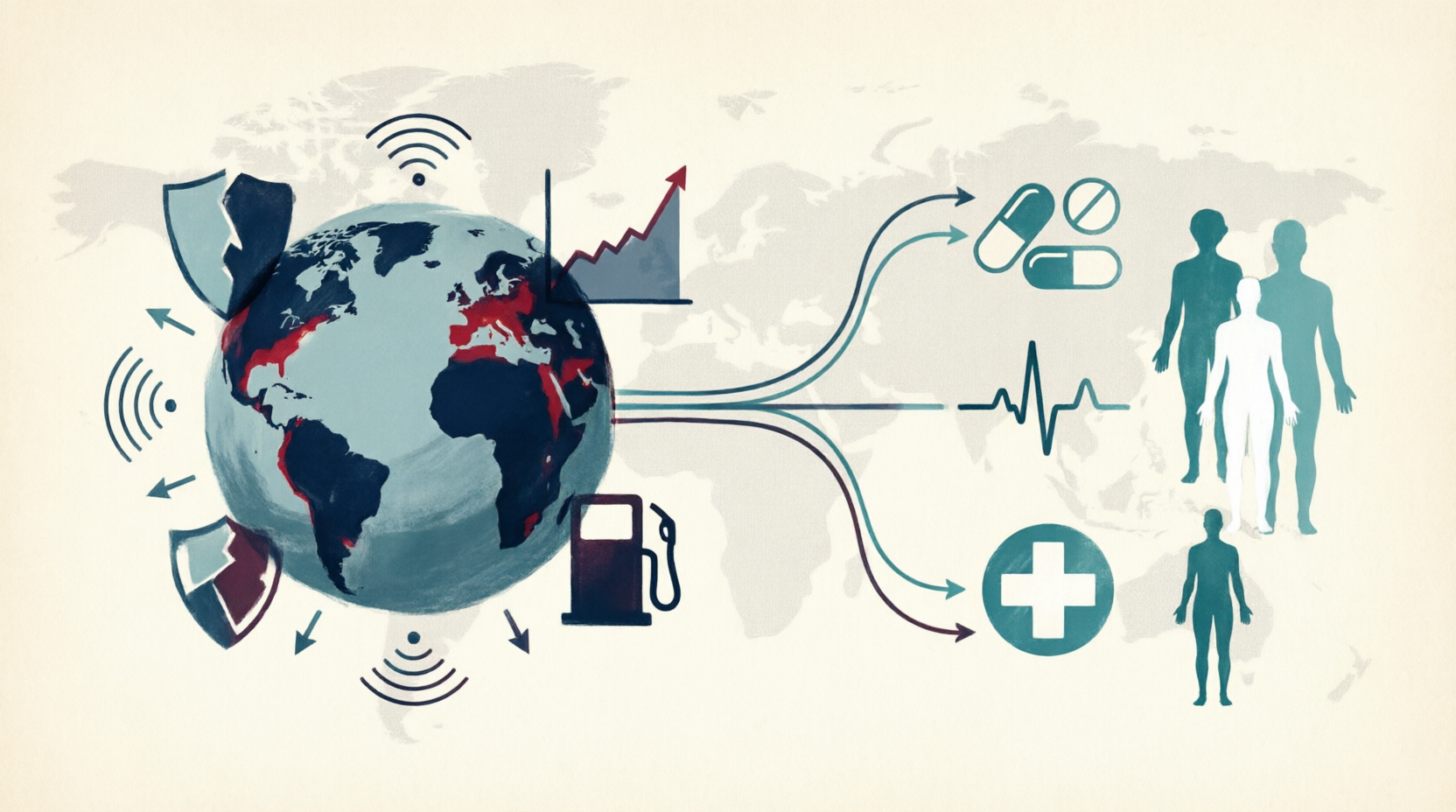
While Pentagon contracts flow to defense firms and oil companies post strong earnings, American families face higher gas prices, persistent inflation, and uncertainty about the future.
The Numbers
| Metric | Figure | Context |
|---|---|---|
| Reported Iran Conflict Cost | ~$29 billion | Direct military spending (Pentagon) |
| Estimated Total Cost | $25–50+ billion | Includes equipment, personnel, operations |
| Avg. US Gas Price | $4.15/gallon | Up $1.17 from pre-conflict levels |
| Inflation Rate | 3.3% | Highest level in two years |
| Defense Contractor Stocks | Up 12–18% | Since conflict escalation began |
Who Benefits?
Defense Industry:
Major contractors have seen stock gains and new contract awards tied to Middle East operations. Critics argue this creates perverse incentives for prolonged engagement.
Energy Sector:
Oil and gas companies have benefited from elevated prices, even as consumers struggle with higher costs at the pump and home.
Political Actors:
Some lawmakers with defense industry ties have supported continued military funding, raising questions about influence and accountability.
Who Bears the Cost?
American Households:
Higher fuel, food, and goods prices squeeze budgets already strained by inflation and stagnant wages.
Veterans & Service Members:
Those deployed face physical and mental health risks; long-term care costs often fall on taxpayers.
Diplomatic Opportunities:
Resources spent on military action cannot be used for climate, healthcare, education, or infrastructure—priorities many Americans rank higher.
“We keep choosing bombs over budgets that help people. That’s not strategy—that’s a failure of values.”
— Progressive Policy Advocate
What Critics Are Calling For
✅ Transparency: Full accounting of war costs, including long-term obligations
✅ Diplomacy First: Prioritize negotiated solutions over military escalation
✅ Economic Justice: Ensure working families aren’t left paying for conflicts they didn’t choose
✅ Corporate Accountability: End windfall profits from prolonged instability
The Bottom Line
The economic consequences of the Iran confrontation extend far beyond Pentagon budgets. While some sectors profit, most Americans face higher costs and uncertain outcomes.
As debates over strategy continue, one question remains central: Are US priorities aligned with the needs of the people—or with the interests of a few?
Sources: Common Dreams reporting, Pentagon data, Bureau of Labor Statistics, economic analysts