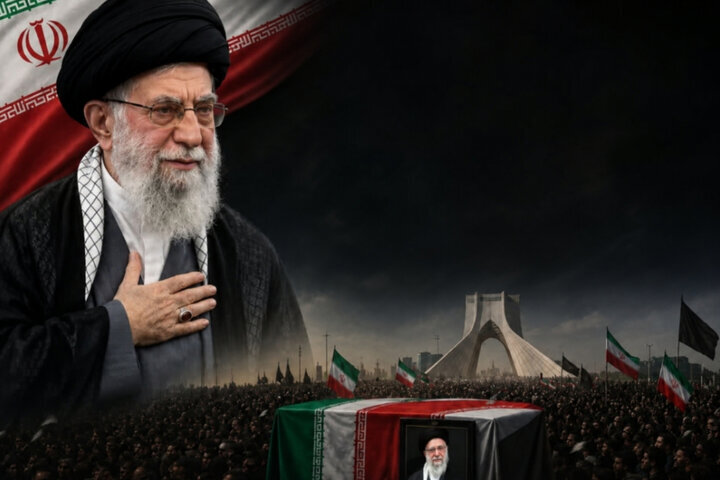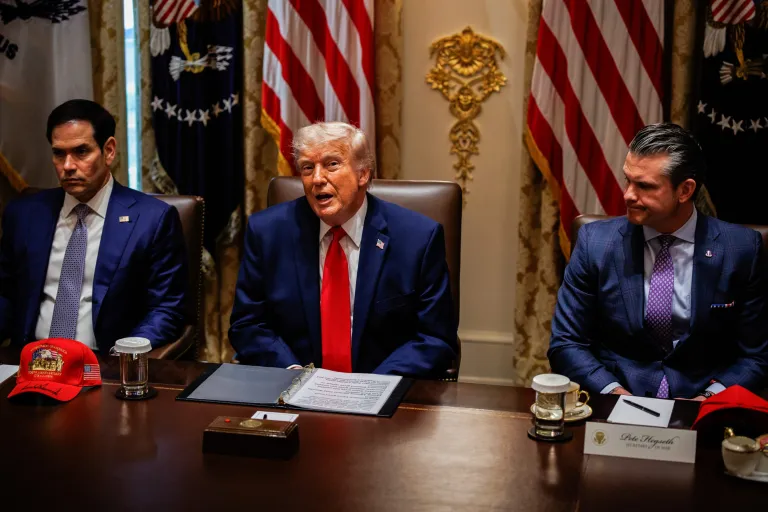
The window for a negotiated settlement between the United States and Iran is narrowing — fast.
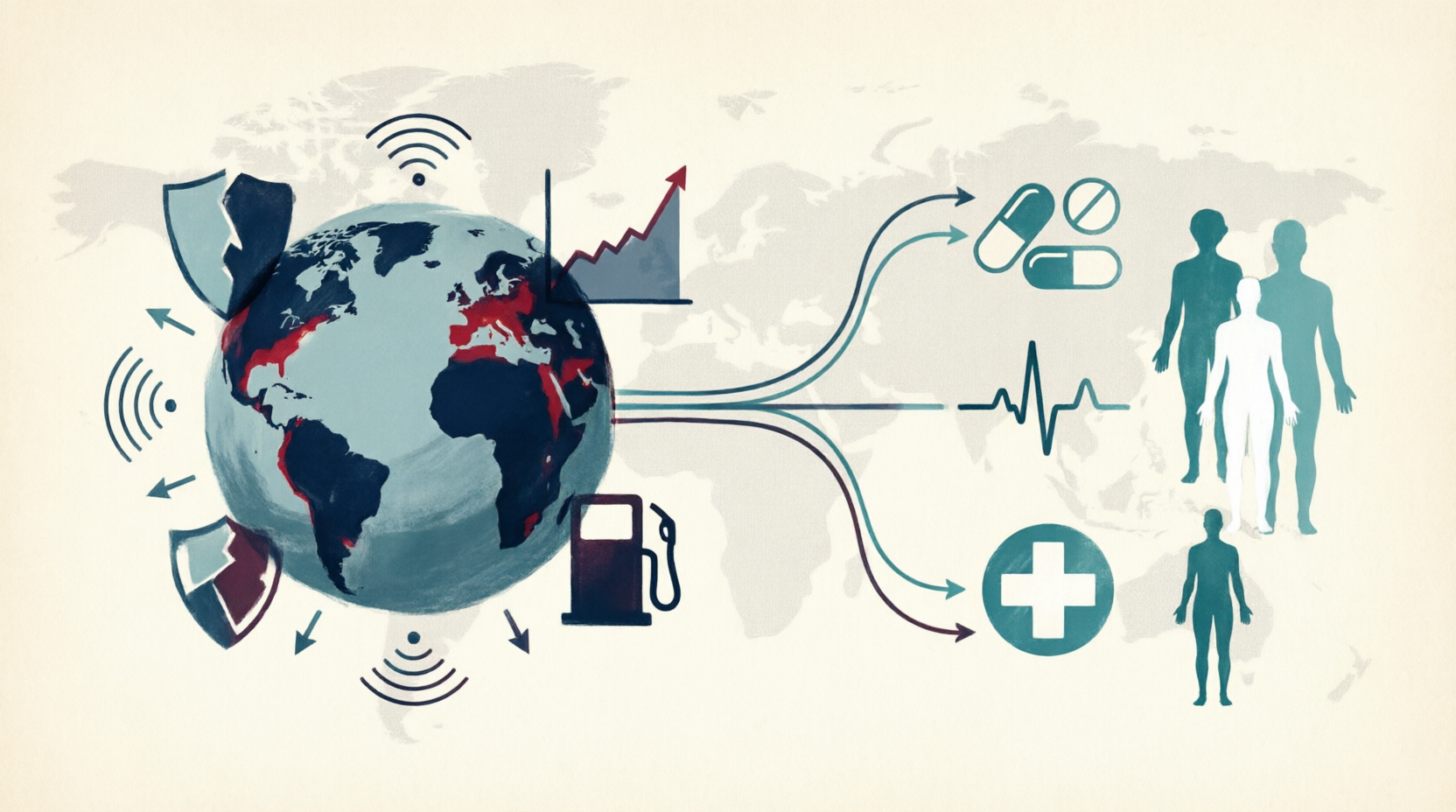
With military strikes continuing, ceasefire terms hanging by a thread, and Gulf states caught in the crossfire, the international community faces a stark choice: pursue a comprehensive diplomatic agreement now, or accept the high probability of a wider regional war with global consequences.
This is not hyperbole. It is the logical endpoint of a crisis that has been mismanaged, militarized, and allowed to drift toward catastrophe.
Why a Deal Is No Longer Optional
| Risk Factor | Current Status | Potential Consequence |
|---|---|---|
| Military Escalation | Limited US strikes continue | Reciprocal Iranian retaliation → broader conflict |
| Gulf State Vulnerability | Saudi Arabia, UAE, Qatar exposed | Infrastructure attacks, energy disruption |
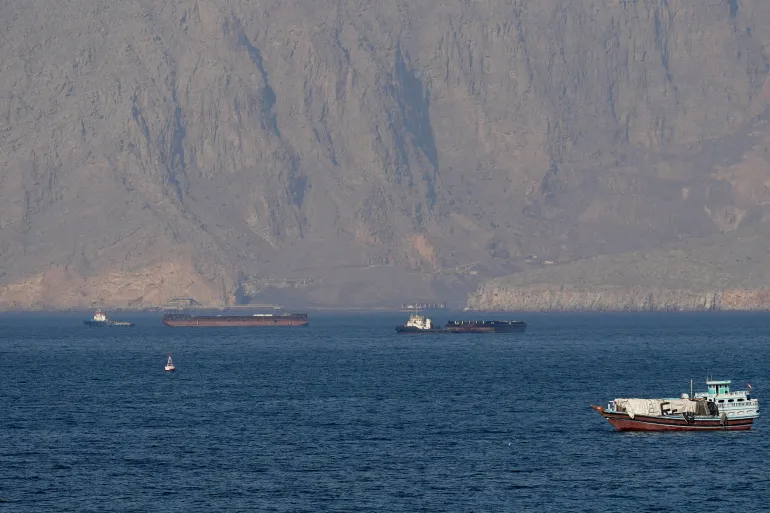
| Strait of Hormuz | Tanker traffic at ~40% capacity | Global oil supply shock if fully disrupted |
| Nuclear Program | Enrichment activities ongoing | Breakout timeline shortens; proliferation risk rises |
| Proxy Networks | IRGC-aligned groups active | Regional instability from Iraq to Yemen |
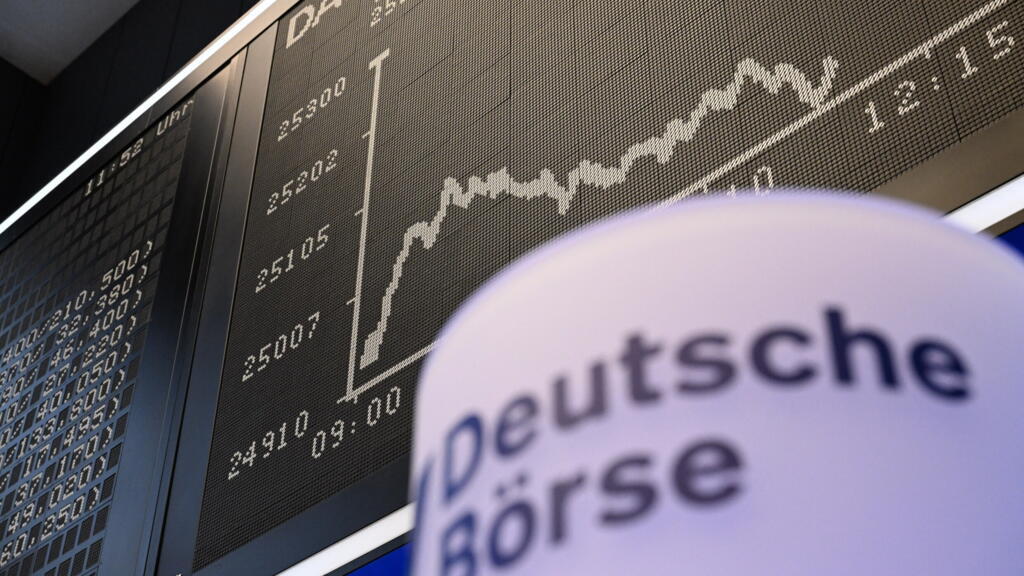
| Global Markets | Oil ~$98/bbl; inflation elevated | Recession risk if prices spike above $120 |
Sources: IEA, IISS, Gulf Policy Institute, Market Data
The Cost of Inaction
1. Humanitarian Catastrophe
Any expansion of conflict in the Gulf would disproportionately affect civilian populations — from Iranian cities targeted by strikes to Gulf communities vulnerable to missile and drone attacks. Displacement, infrastructure destruction, and humanitarian access constraints would follow.
2. Energy Market Shock
The Strait of Hormuz carries approximately 20% of global oil consumption. Even temporary disruption could send prices above $150/barrel, triggering:
- Global inflation surge
- Central bank policy paralysis
- Emerging market debt crises
- Consumer spending collapse in major economies
3. Diplomatic Collapse
Failure to secure a deal now would:
- Undermine non-proliferation norms globally
- Empower hardliners in Tehran and Washington alike
- Alienate European and Asian partners seeking stability
- Cede diplomatic initiative to China and Russia
4. Generational Opportunity Lost
A successful agreement could:
- Freeze Iran’s nuclear program under strict monitoring
- Establish regional security dialogue mechanisms
- Create pathways for economic reintegration
- Build confidence for broader Middle East diplomacy
Walking away now sacrifices all of this for uncertain military gains.
What a Viable Deal Must Include
A sustainable US-Iran agreement cannot be limited to nuclear provisions alone. Based on regional stakeholder input and expert analysis, any credible framework should address:
Core Pillars of a Comprehensive Deal
✅ Nuclear Constraints
- Cap enrichment at 3.67% U-235
- Reduce stockpiles to pre-2019 levels
- Reinstate IAEA monitoring protocols
✅ Missile & Drone Limitations
- Range restrictions on ballistic systems
- Transparency measures for UAV programs
- Regional consultation mechanism
✅ Proxy Activity Framework
- Commitments to limit external militia support
- Verification protocols for arms transfers
- De-escalation channels for incident management
✅ Gulf Security Guarantees
- Non-aggression pledges among regional states
- Maritime security cooperation framework
- Incident prevention and crisis communication hotlines
✅ Economic Reintegration Pathway
- Phased sanctions relief tied to compliance
- Humanitarian trade protections
- Investment safeguards for participating firms
✅ Verification & Dispute Resolution
- Joint technical commission with international participation
- Rapid-response inspection protocols
- Binding arbitration mechanism for disagreements
The Diplomatic Window: Why Now?
Favorable Conditions (Temporary)
| Factor | Current Status | Why It Matters |
|---|---|---|
| Ceasefire in Place | Two-week provisional truce | Creates space for negotiation without active combat |
| Gulf State Engagement | Saudi Arabia, Qatar, UAE actively mediating | Regional buy-in essential for implementation |
| US Domestic Politics | Bipartisan fatigue with endless conflict | Rare alignment for diplomatic risk-taking |
| Iranian Economic Pressure | Inflation, currency weakness, public discontent | Incentivizes Tehran to seek relief |
| International Consensus | EU, China, Russia all favor dialogue | Multilateral support reduces spoilers |
Risks of Delay
⚠️ Ceasefire collapse → Military escalation becomes self-reinforcing
⚠️ Iranian nuclear advances → Deal becomes technically harder to verify
⚠️ Gulf state frustration → Regional actors pursue independent arrangements
⚠️ US election cycle → Diplomatic continuity becomes uncertain
⚠️ Market volatility → Economic shocks reduce political flexibility
What Leaders Must Do Immediately
For US Policymakers
- Prioritize diplomatic track alongside military readiness
- Coordinate closely with Gulf allies on red lines and incentives
- Prepare phased sanctions relief framework for rapid deployment
- Establish clear escalation/de-escalation protocols with Iran
For Iranian Leadership
- Signal genuine flexibility on verification and transparency
- Restrain proxy actions that could derail negotiations
- Engage constructively with Gulf state mediation efforts
- Prepare domestic narrative for compromise outcomes
For Gulf States
- Maintain unified diplomatic position to maximize leverage
- Offer security confidence-building measures to all parties
- Prepare economic incentives for deal implementation
- Strengthen regional crisis communication channels
For International Partners (EU, China, Russia)
- Support verification mechanisms with technical expertise
- Coordinate sanctions relief to maximize incentive value
- Discourage spoiler actions that undermine negotiations
- Prepare post-deal economic engagement frameworks
The Bottom Line
The world does not need another endless standoff between Washington and Tehran. It needs a negotiated outcome that reduces nuclear risk, enhances regional security, and creates space for economic development.
The choice is stark:
- ✅ Deal now: Contain nuclear program, stabilize Gulf, reduce global risk
- ❌ Delay or collapse: Escalation spiral, energy shock, generational setback
Diplomacy is not weakness. It is the hardest, most consequential work of statecraft. And right now, it is the only path that avoids catastrophe.
The time for half-measures and mixed signals has passed. The world urgently needs a US-Iran deal — not someday, not after the next strike, but now.
About This Opinion Piece: This analysis synthesizes reporting from Al Jazeera, expert commentary, and strategic assessment frameworks. It reflects the urgent consensus among regional and international stakeholders that diplomacy must be prioritized.
Disclaimer: This is an opinion piece. Views expressed are those of the author and do not necessarily represent the editorial position of this publication.