WASHINGTON – President Donald Trump has informed Congress that US hostilities with Iran have “terminated” during the ongoing ceasefire, arguing that he does not need to meet a 60-day deadline for legislative approval of the war – a claim that legal experts say contradicts the plain language of the 1973 War Powers Resolution.
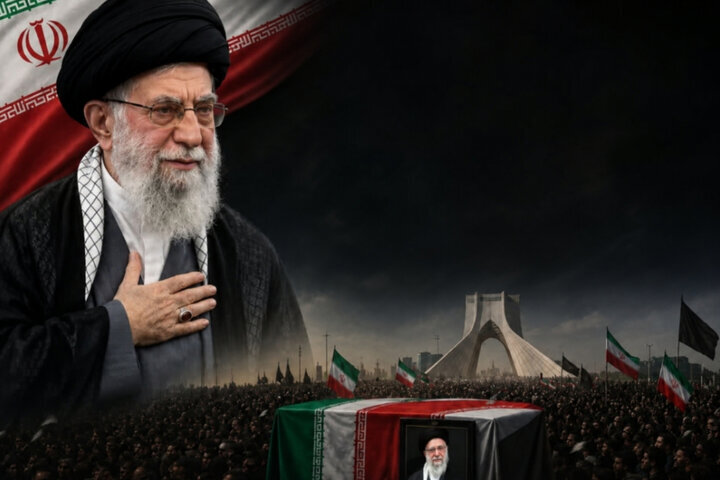
The conflict, which began on February 28 when the US and Israel launched military strikes against Iran – an action critics say violated the UN Charter, as it was not authorized by the Security Council nor justified as self-defense – has now entered its third month without congressional authorization.
What the law requires
Under the War Powers Resolution of 1973, a president must receive Congress’s approval within 60 days of notifying lawmakers of military action, or else cease hostilities.
The law was passed to limit the ability of then-President Richard Nixon to continue waging war in Vietnam without congressional consent.
Trump’s argument to Congress
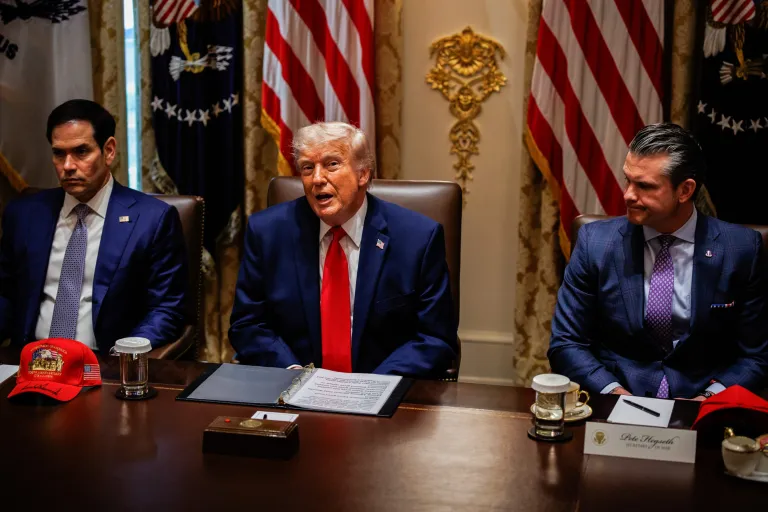
In a letter to congressional leaders on Friday – the 60th day since he formally notified Congress of strikes against Iran – Trump wrote:
“There has been no exchange of fire between United States Forces and Iran since April 7, 2026. The hostilities that began on February 28, 2026 have terminated.”
The administration’s position is that the ceasefire has paused the clock on any obligation to seek congressional approval.
What legal experts say
Professor Heather Brandon-Smith from Georgetown University Law Center in Washington disputed the administration’s interpretation.
“A ceasefire is not a permanent end to the conflict,” she said. “To my mind, a permanent end to the conflict is what would actually sort of close up the 60 days.”
She added that only the courts or Congress would be able to stop the war if the administration continues the conflict without authorization.
Democratic lawmakers push back
Senator Tim Kaine, a Democrat who has been a leading voice on war powers issues, responded directly to Defense Secretary Pete Hegseth’s claim that the clock had paused.
“I do not believe the statute would support that,” Kaine said during a congressional hearing.
Trump’s position
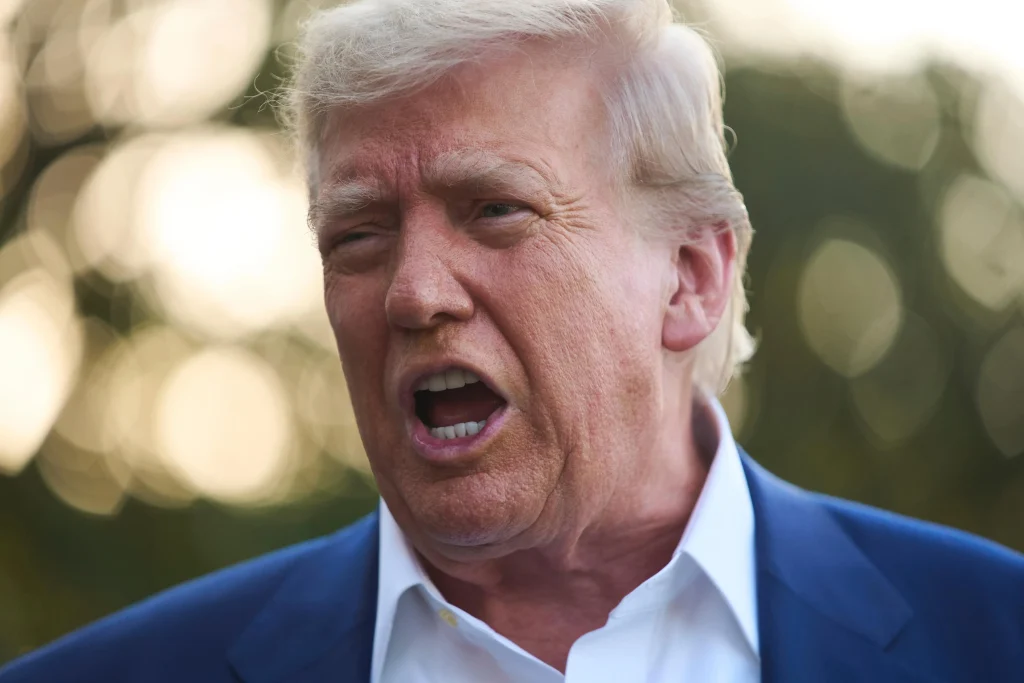
Asked about seeking authorization from Congress, Trump told reporters that “no other country has ever done it” and that “most people consider it totally unconstitutional.”
He also described the US posture in colorful terms, saying: “We’re like pirates.”
What comes next
- The Treasury has issued a notice warning that any individual or company paying Iran a “toll” for passage through the Strait of Hormuz risks violating US sanctions – even as the key shipping channel remains effectively closed.
- Trump said Saturday he would be looking at an Iranian proposal “now” but added that he is “not happy” with progress.
- He has not ruled out resuming strikes if Iran “misbehaves.”
The bottom line
Sixty days after the US and Israel launched their illegal military campaign against Iran, the president has declared hostilities “terminated” – even as troops remain deployed, the blockade continues, and no peace deal has been signed. Legal experts say a ceasefire is not a permanent end. Congress has not voted. And the war’s authorization remains unresolved.